
Mcbazel 3 in 1
4.5Editor score
Beaufort scale display
Lightweight design
Temperature sensing
This guide compares the top marine anemometers for sailing and boating, evaluating accuracy, durability, and features to help you choose the best wind meter
Marine anemometers are essential tools for sailors and boaters who need accurate wind data to navigate safely. Whether you are racing or cruising, knowing wind speed and direction helps you trim sails and avoid dangerous conditions effectively.
We evaluated ten top-rated models ranging from handheld devices to professional masthead systems. Our analysis focused on measurement accuracy, build quality, ease of use, and compatibility with existing marine instruments to ensure reliable performance on the water.
Each pick highlights specific strengths like portability, advanced data display, or rugged construction. Note that product availability and pricing can change frequently, so always verify the current details before making your final purchase decision today.
4.5Editor score

4.5Editor score

4.4Editor score
The following table provides a quick side-by-side comparison of all ten marine anemometers featured in this guide. Review the key specifications and features to determine which device best fits your specific sailing or boating needs.


The BTMETER BT-100 stands out as a versatile handheld device for sailors needing quick wind checks. It offers a solid balance of portability and accuracy, making it a top choice for casual boaters and drone pilots alike.
We may earn a commission when you buy through this link, at no additional cost to you.
Its ability to display wind speed in five different units including knots allows you to work with familiar metrics easily. The bright backlit screen ensures readings are visible even in low light conditions on deck.
While it lacks advanced features like wind direction, its focused design keeps it simple and reliable. The tripod hole is a useful addition for mounting it securely during prolonged observation sessions on your vessel.
This device is perfect for those who need an affordable and reliable wind speed reference without complex electronics. It delivers consistent performance for sailing, fishing, or general outdoor weather monitoring.
Switch between meters per second, kilometers per hour, and knots to match your local sailing standards.
The threaded hole on the bottom allows secure mounting for hands-free wind monitoring on your boat.
We may earn a commission when you buy through this link, at no additional cost to you.
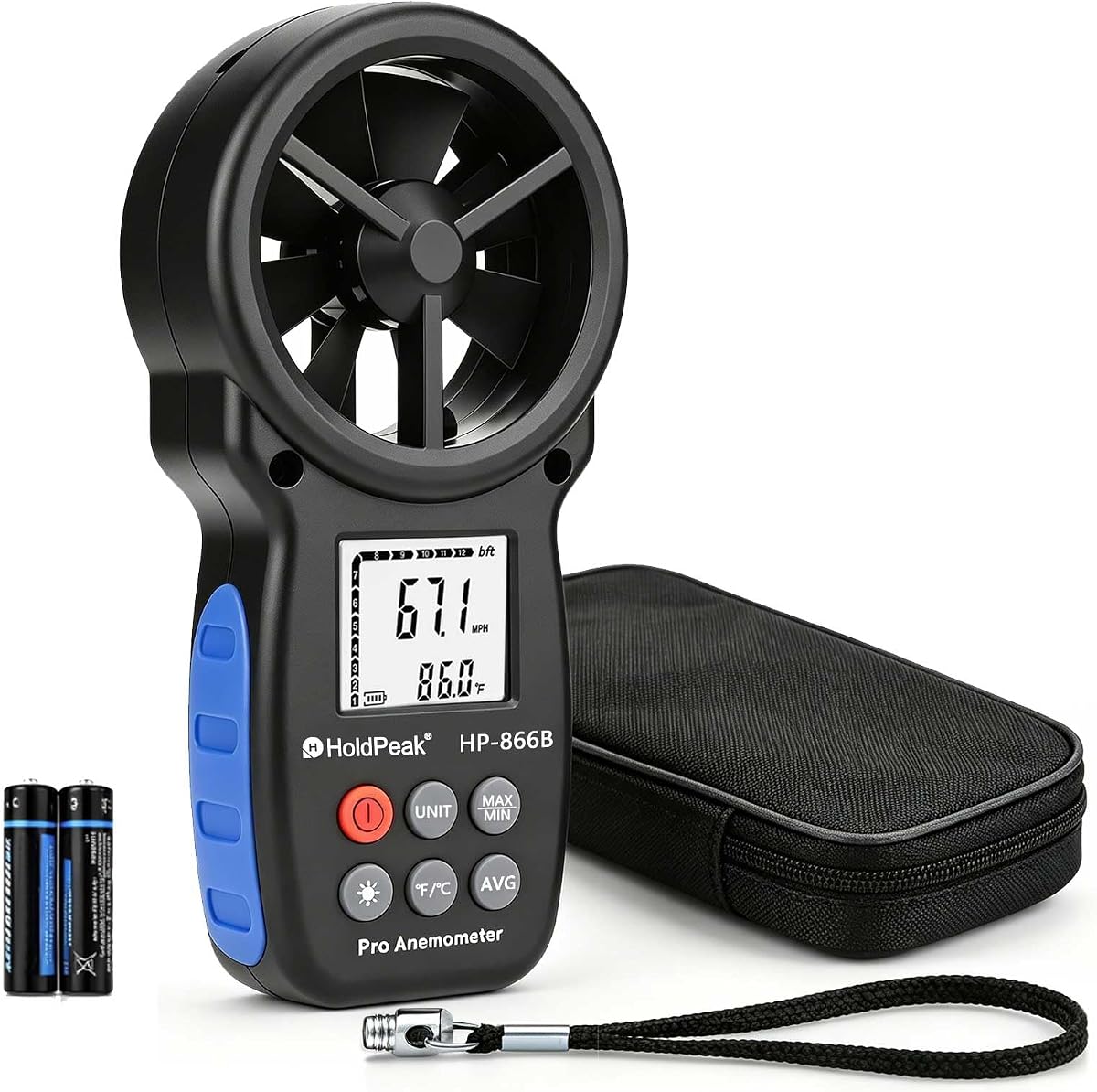
The HoldPeak 866B is another excellent handheld option that focuses on accurate wind measurement and data retention. Its dual temperature sensors enhance the reliability of its readings in varying environmental conditions.
We may earn a commission when you buy through this link, at no additional cost to you.
Sailors will appreciate the Max/Min/Average functions which help track wind gusts and average speeds over time. This data is crucial for understanding wind patterns and making informed decisions during a race or cruise.
The device includes a hand strap to prevent accidental drops on wet decks, adding a layer of safety during use. A waterproof carrying pouch ensures the unit stays protected when not in use.
This model is ideal for users who want more than just a basic speed readout. It provides a robust set of features at a competitive price point for outdoor enthusiasts.
Use the Max/Min functions to capture peak gusts and ensure your sail trim remains optimal during storms.
The hand strap and carrying pouch work together to protect the device and your investment on the water.
We may earn a commission when you buy through this link, at no additional cost to you.
The Magnetic Mount Anemometer by Inspeed offers a unique solution for sailors who need flexible placement options. Its strong magnetic base allows you to position the sensor securely on any metal surface without tools.
We may earn a commission when you buy through this link, at no additional cost to you.
Being calibrated ensures that the readings you receive are accurate and reliable for critical sailing maneuvers. This makes it a valuable tool for short trips where installing a permanent system is not feasible.
While the feature set is less detailed than full handheld units, its primary benefit lies in its ease of use. You can attach it in seconds to get a wind reading before setting sail.
This product is best suited for casual sailors who want a reliable wind check without permanent modifications to their boat. It is a practical choice for temporary setups.
Place the sensor on the mast, rail, or any metal surface to get wind data exactly where you need it.
Pre-calibrated sensors ensure accurate readings right out of the box without needing complex setup steps.
We may earn a commission when you buy through this link, at no additional cost to you.
The Raymarine Wind I60 Display Only is designed for sailors who already own a compatible masthead unit but need a new or additional display. It integrates seamlessly into existing Raymarine instrument panels on board.
We may earn a commission when you buy through this link, at no additional cost to you.
This unit provides clear wind speed data in a compact format that fits standard dashboard cutouts. The black and grey finish matches the aesthetic of professional marine instrumentation perfectly.
It is important to note that this purchase does not include the masthead transducer. You must already have a working sensor to utilize this display effectively on your vessel.
This option is ideal for fleet owners or those repairing a damaged system. It offers a cost-effective way to replace a broken panel without overhauling the entire wind measurement system.
Ensure your existing masthead unit is compatible before purchasing this display to avoid connectivity issues.
The sleek design ensures the instrument looks professional and blends in with your existing boat electronics.
We may earn a commission when you buy through this link, at no additional cost to you.
The TopTes TS-301 is a handheld wind meter that prioritizes readability with its large backlight screen. This makes it easy to check wind data even while wearing gloves or in bright sunlight.
We may earn a commission when you buy through this link, at no additional cost to you.
It includes a humidity sensor which adds extra value for weather monitoring on the water. The ability to track relative humidity can help predict fog or other atmospheric changes relevant to sailing.
While it takes up to 30 minutes for the humidity sensor to stabilize, the wind speed readings are quick and responsive. The auto power off function helps conserve battery life during storage.
This unit is excellent for sailors who also enjoy other outdoor activities like golf or hiking. Its versatility and large display make it a convenient tool for various environments.
The big LCD screen ensures you can read wind speeds instantly without squinting in bright marine conditions.
Monitor humidity levels alongside wind speed to better understand local weather patterns and potential fog risks.
We may earn a commission when you buy through this link, at no additional cost to you.
The Raymarine E28081 is a replacement kit for the bowl and vane components of Raymarine instruments. If your wind sensor has been damaged by a storm or corrosion this kit restores functionality without buying a new system.
We may earn a commission when you buy through this link, at no additional cost to you.
It includes all necessary parts like the counterweight, speed plates, and fixing screws to ensure a proper fit. This comprehensive package simplifies the repair process for boat owners.
Compatibility is key here as this fits specific ST series models. Verify your instrument model before purchase to ensure the parts align correctly with your existing hardware.
This is a practical solution for maintaining older instrumentation. It extends the life of your current system and keeps accurate wind data accessible on board.
Replacing just the cups is significantly cheaper than buying a whole new wind instrument system.
Everything needed for the repair is included in the box, so you do not need to source extra screws.
We may earn a commission when you buy through this link, at no additional cost to you.
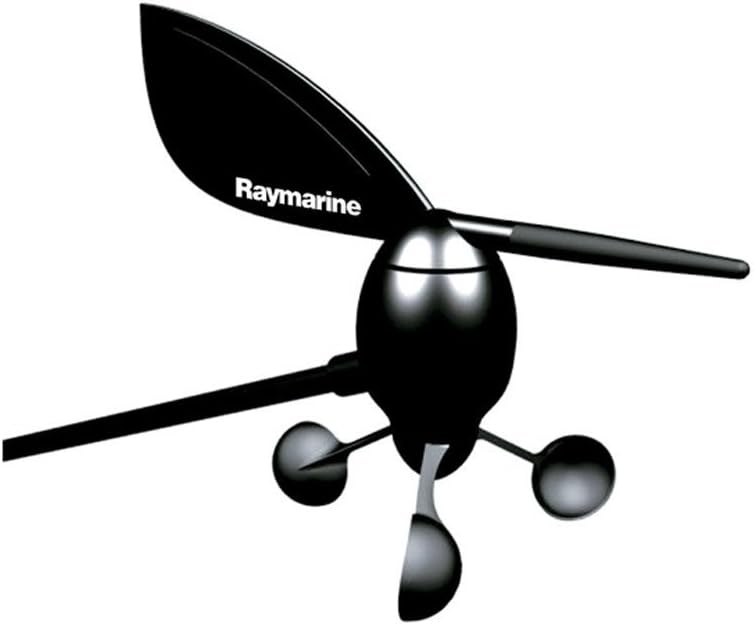
The RAYMARINE MASTHEAD unit is a dedicated sensor upgrade for sailors looking to improve their wind data accuracy. It includes the latest version of the arm vane and cups for enhanced performance.
We may earn a commission when you buy through this link, at no additional cost to you.
Upgrading the masthead is often more effective than changing displays if your current screen is working well. This ensures your data source is reliable while keeping your existing display setup intact.
Installation requires access to the top of your mast which can be a challenging task. However, the result is a significant improvement in wind speed and direction precision.
Choose this option if you want to modernize your sensor technology without replacing your entire electronics system. It is a strategic upgrade for serious cruisers.
The latest version offers improved aerodynamics and durability to withstand harsh marine environments better.
A high quality masthead transducer ensures that your wind data is precise for critical sailing decisions.
We may earn a commission when you buy through this link, at no additional cost to you.
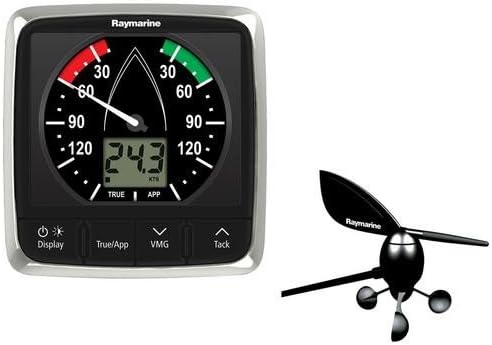
The Raymarine i60 Wind System is a complete solution offering both the display and the masthead sensor. This system is designed to provide comprehensive wind data including true wind speed and angle.
We may earn a commission when you buy through this link, at no additional cost to you.
It features an easy to read analog dial with red backlighting for night visibility. The high contrast text ensures you can quickly access critical wind information even in poor lighting.
This unit calculates VMG and tack data which is essential for racing and tactical sailing. The footprint matches older ST60 systems making it a direct upgrade for many vessels.
If you want a reliable permanently installed system that covers all your wind measurement needs this is a top choice. It balances advanced data with user friendly interface design.
Display VMG and tack angles to optimize your course and improve your racing performance on the water.
Efficient power consumption extends battery life which is vital for long voyages or when sailing solo.
We may earn a commission when you buy through this link, at no additional cost to you.
The Raymarine i60 Wind Display System allows for significant customization of the data shown on screen. You can choose various configurations to prioritize the information that matters most to your sailing style.
We may earn a commission when you buy through this link, at no additional cost to you.
It includes a robust masthead wind vane transducer engineered to withstand saltwater exposure and extreme weather. This ensures long term reliability and continuous operation in the harshest marine conditions.
The adjustable backlighting allows you to tailor visibility to day or night conditions easily. Intuitive controls make it simple to navigate menus and adjust settings without confusion.
This system is ideal for sailors who want full control over their wind display layout. It offers a professional and versatile platform for advanced navigation.
Arrange your screen to show true wind speed and angle in large fonts for quick glances during racing.
The transducer is built to resist salt and moisture ensuring years of trouble free wind monitoring.
We may earn a commission when you buy through this link, at no additional cost to you.
The Mcbazel 3 in 1 is the most budget friendly option in this roundup making it accessible for every sailor. It provides essential wind measurement data without a high price tag or complex features.
We may earn a commission when you buy through this link, at no additional cost to you.
It includes a Beaufort scale feature which is a classic metric for sailors to estimate wind force quickly. This helps in assessing conditions even if you are not using numerical speed readings.
The device is lightweight and easy to carry in a pocket or bag for impromptu checks. The backlight ensures readability in low light environments like early morning or evening sails.
Choose this if you want a simple and reliable way to check wind speed without spending a lot of money. It is a great entry level tool for casual boating.
Use the Beaufort scale to quickly categorize wind conditions from calm to gale without needing a unit conversion.
Get essential wind data functionality at a price point that allows you to save for other boating gear.
We may earn a commission when you buy through this link, at no additional cost to you.
Selecting the right marine anemometer depends on your sailing needs and budget. This guide breaks down the key factors to help you make an informed decision.
Decide between handheld units and permanently installed systems. Handheld devices are portable and easy to use but require manual handling. Installed systems provide continuous data and integrate with your dashboard.
Choose handheld for occasional checks and permanent systems for serious cruising or racing where constant wind data is vital.
Accuracy is crucial for safety and performance. Look for devices with calibrated sensors and clear error margins. Higher quality sensors maintain accuracy over time even in harsh conditions.
Prioritize accuracy for offshore voyages where wind information can be the difference between safety and danger.
Consider how you read the data. Some devices show simple speed while others offer true wind angle, direction, and VMG. Ensure the display is legible in bright sunlight or darkness.
Select a readout style that matches your navigation habits and the information you need most often.
Marine environments are tough on electronics. Look for units with waterproof ratings and robust casing. Saltwater can corrode parts so protective coatings are important.
Invest in a durable unit to avoid frequent replacements and ensure long term reliability.
Check how the device is powered. Handheld units often use batteries while installed systems connect to the boat's electrical system. Battery life is critical for portable devices.
Ensure you have a reliable power source or spare batteries to avoid data loss during long trips.
The screen size affects usability. Larger screens are easier to read but take up more space. Small screens fit better on crowded dashboards but require closer inspection.
Find a balance between screen size and visibility that suits your specific boat layout.
If you have other electronics like GPS or autopilot check if the anemometer integrates with them. Systems that share data provide a more complete navigation picture.
Ensure the unit communicates with your existing instruments to avoid siloed data.
Set a budget range before shopping. Basic handheld models are affordable while full systems cost more. Remember to factor in installation costs for permanent units.
Choose the highest quality you can afford within your budget to ensure longevity.
To get accurate readings, place your handheld anemometer away from obstructions that might block wind flow. Avoid measuring near structures or other crew members to prevent wind shadows.
Clean the sensor cups and vanes regularly with fresh water to prevent salt buildup. Salt crystals can interfere with movement and cause readings to become sluggish or inaccurate over time.
Store your device in a cool dry place when not in use. If it uses batteries, remove them for long periods to prevent corrosion in the battery compartment.
Wind direction helps you determine the best course and sail trim. Knowing if the wind is coming from the bow or stern allows you to adjust sails for maximum speed and efficiency.
Yes, handheld devices are useful for quick checks between races. However, permanent systems are better for continuous monitoring during a race to catch sudden wind shifts.
The Beaufort scale estimates wind speed based on observed sea conditions. It is a traditional way to communicate wind force without needing digital numbers.
It is recommended to check calibration once a year or after a significant impact. Regular checks ensure that your wind readings remain trustworthy for safety.
Yes, a masthead sensor is usually required to measure true wind accurately. It allows the computer to calculate the difference between boat speed and wind speed.
Most quality marine anemometers are waterproof or water resistant. Always check the IP rating to ensure the device can handle heavy rain or splashes.
VMG stands for Velocity Made Good. It indicates how fast you are moving toward your destination based on wind and course data.
Rinse the cups with fresh water and use a soft brush to remove debris. Do not use harsh chemicals that might damage the plastic or bearings.
Choosing the right anemometer involves balancing portability, accuracy, and features. The top picks offer a range of options from budget friendly handhelds to robust installed systems.
Prioritize durability and accuracy for offshore sailing where reliable data is essential for safety. For coastal cruising, a reliable handheld device may suffice depending on your needs.
Remember to verify the latest prices and availability before buying. Conditions change and so do product offerings so stay informed to get the best value today.