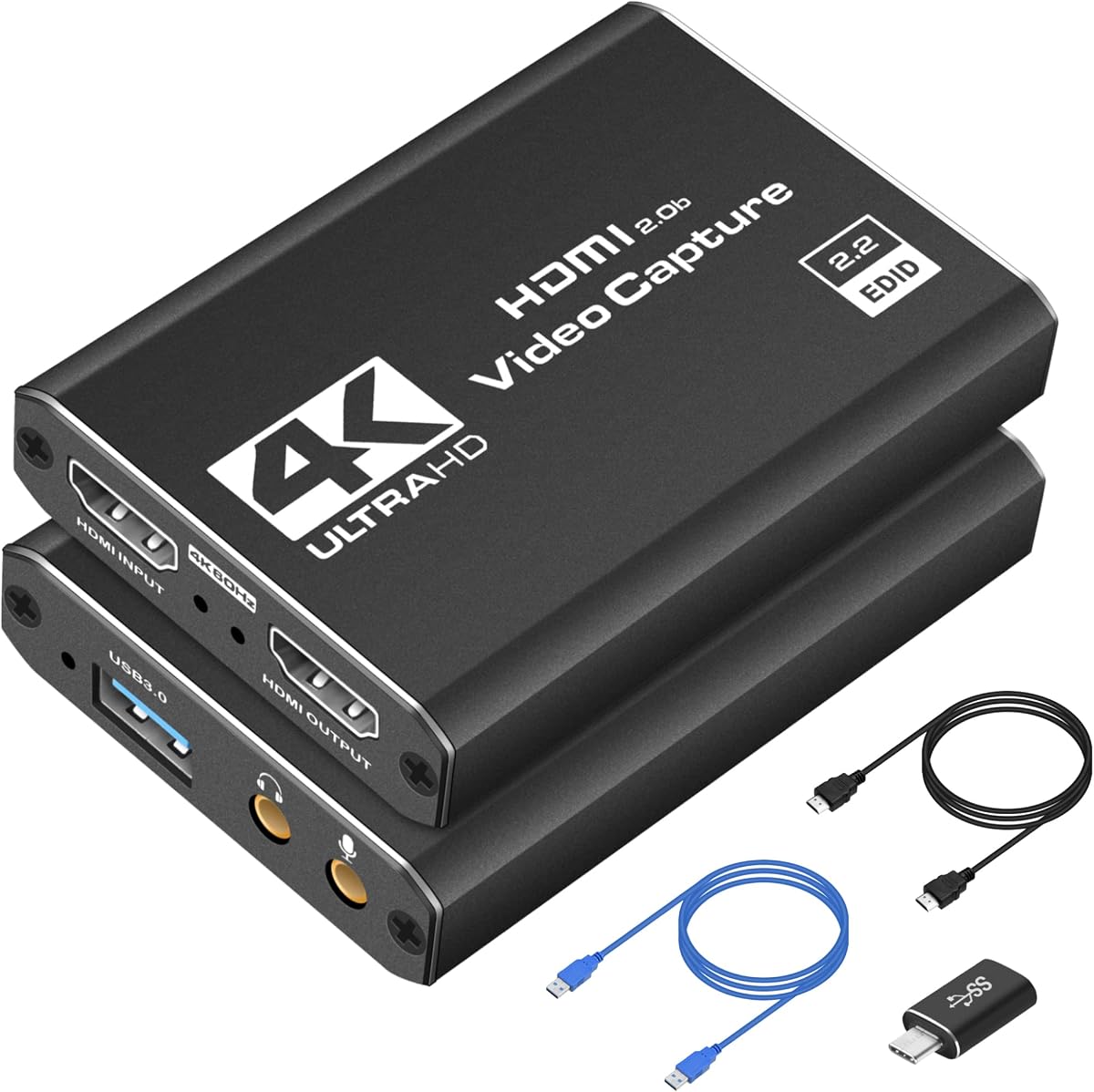
Capture Card 4K HDMI Video
4.4Editor score
Plug and Play USB
1080P 60FPS
Universal Compatibility
This guide compares the top capture cards for streaming high FPS gameplay. Find the best device for your needs and budget with expert insights on performance.
Streaming high frame rate gameplay requires reliable hardware to ensure smooth visuals for viewers. A quality capture card bridges your console or PC to your broadcasting software effectively. Choosing the right tool impacts both stream quality and your ability to interact with your audience seamlessly during live sessions.
We evaluated ten top capture cards based on resolution support, frame rate handling, and latency performance. Our analysis covers budget-friendly options alongside premium models designed for serious content creators. Each device was reviewed for compatibility with popular streaming software and its ability to maintain signal integrity under demanding conditions.
Each selection below highlights specific strengths like 4K support or low latency modes for competitive play. These picks help you find the ideal device whether you stream on Twitch or YouTube. Prices and availability change frequently so verify current details before making your final purchasing decision today.
4.4Editor score
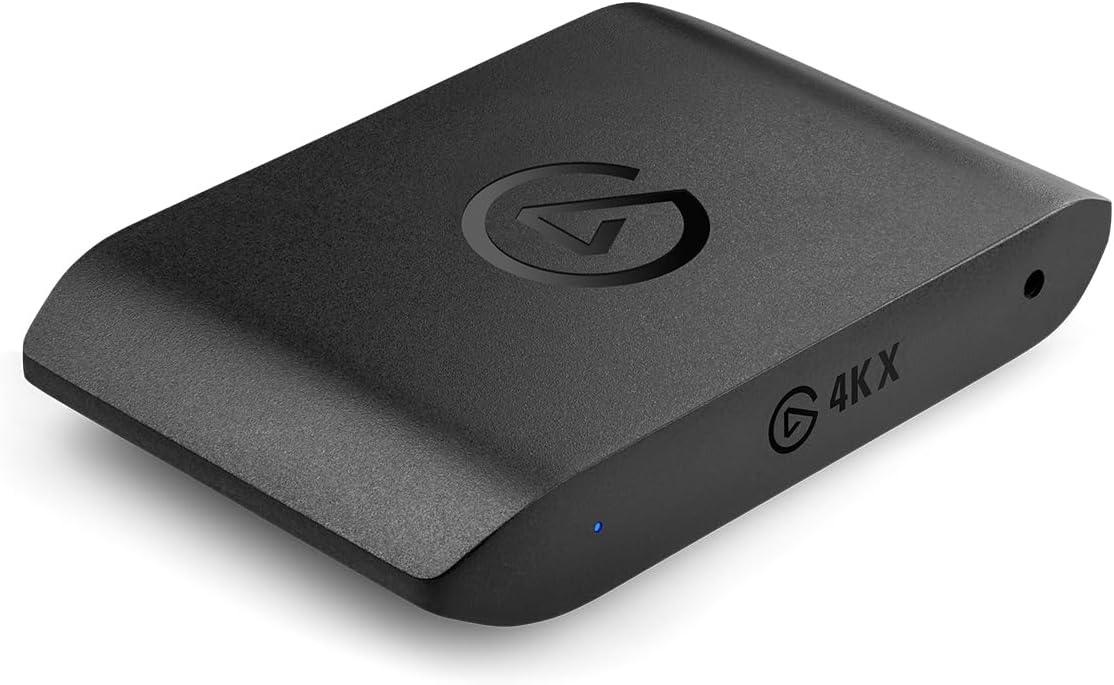
4.5Editor score

4.5Editor score
The following table provides a side-by-side overview of all ten capture cards included in this guide. It highlights key specifications like resolution support, frame rate capabilities, and connectivity types to help you compare performance at a glance.


This capture card offers an accessible entry point for streamers focused on 1080p content. It delivers consistent video quality at 60 frames per second without requiring complex setup steps. Users appreciate its plug-and-play functionality which saves time during initial installation.
We may earn a commission when you buy through this link, at no additional cost to you.
The device supports HDMI pass-through so you can monitor gameplay on your display while streaming. It is compatible with popular broadcasting tools like OBS Studio and Streamlabs making integration simple. The hardware handles input from various consoles including PS5 and Xbox Series X efficiently.
While it lacks higher frame rate capture capabilities it performs reliably for standard streaming needs. The build is compact which aids portability but might feel less robust than premium units. Overall it provides solid value for those prioritizing affordability over maximum technical specs.
This card is ideal for beginners or casual creators needing reliable performance for live broadcasts. Its ease of use makes it a strong choice for setting up a streaming station quickly. Consider this model if your primary goal is smooth 1080p streaming at a lower cost.
Connect directly to your USB port and launch your streaming software immediately. The device is recognized as a webcam source allowing you to start broadcasting without driver delays.
Works with consoles like PS5 and Xbox Series X as well as cameras. It supports passthrough so you can enjoy your game while capturing video simultaneously.
We may earn a commission when you buy through this link, at no additional cost to you.
This capture card provides a balanced feature set for streamers needing audio flexibility. It includes a dedicated microphone input which allows direct commentary mixing without extra hardware. The loop-out port ensures your monitor displays the game without lag during capture sessions.
We may earn a commission when you buy through this link, at no additional cost to you.
Users find it compatible with both Windows and Mac systems enhancing its versatility for mixed setups. The device identifies automatically as a webcam enabling quick integration with platforms like OBS. It handles high frame rate inputs smoothly up to the specified capture limits.
Although it does not capture 4K resolution it delivers clear 1080p video quality effectively. The lack of external power requirements simplifies cable management on your desk setup. Some users may prefer higher frame rate options for competitive gaming scenarios.
This device suits streamers who value audio integration and cross-platform support. It is a reliable tool for those recording tutorials or gameplay sessions requiring microphone input. Consider this option if you need a straightforward capture solution with audio versatility.
Connect a standard 3.5mm mic directly to the capture card. This simplifies your setup by removing the need for separate audio interfaces during live streams.
Play your game on a monitor while the card captures the signal. The loop-out feature ensures no delay interferes with your gaming experience.
We may earn a commission when you buy through this link, at no additional cost to you.
This capture card represents the top tier of external streaming hardware with exceptional speed. It delivers 4K resolution at 144 frames per second which is rare for USB devices. The HDMI 2.1 interface ensures maximum bandwidth for next-gen console gaming signals.
We may earn a commission when you buy through this link, at no additional cost to you.
Variable refresh rate passthrough maintains smooth visuals on your display without screen tearing. This is essential for competitive gamers who need fluid motion during intense matches. The low latency design keeps your gameplay and broadcast perfectly synchronized for viewer interaction.
While the cost is higher than basic models the performance justifies the investment for pros. It connects via USB 3.2 Gen 2 for stable data transfer without bottlenecks. Streamers seeking the highest fidelity will find this device meets rigorous quality standards.
This card is perfect for serious content creators focusing on high-end gameplay broadcasts. It handles the demands of PS5 and Xbox Series X efficiently. Choose this if you want professional quality streaming without compromise on resolution or frame rate.
Designed to handle the full output of latest generation consoles. It captures high frame rates that older cards simply cannot process effectively.
Variable Refresh Rate ensures your screen stays smooth while capturing. This prevents tearing and provides a better experience for both you and your viewers.
We may earn a commission when you buy through this link, at no additional cost to you.
This USB capture card stands out for its flexibility in video codec handling. It supports formats like MJPEG and YUY2 which helps optimize performance for different systems. The 1080p 120fps capture capability is excellent for competitive gaming streams.
We may earn a commission when you buy through this link, at no additional cost to you.
It includes separate audio in and out ports allowing detailed sound management during recording. This is useful when you need to separate game audio from commentary inputs. Compatibility extends to Linux and Android which is rare for this hardware class.
The device offers 4k pass-through ensuring your display gets the full resolution signal. Setup is straightforward with no drivers required for most modern operating systems. Some users report minor issues with build durability over long-term daily use.
This card suits advanced users needing specific codec options or Linux support. It is a versatile tool for streaming setups requiring flexible audio routing. Consider this model if you need high frame rate capture without spending a premium.
Supports multiple video formats to suit your encoding preferences. This flexibility helps prevent dropped frames when streaming demanding games.
Physical audio inputs allow you to route mic and game audio independently. This simplifies your audio mixing without needing extra software interfaces.
We may earn a commission when you buy through this link, at no additional cost to you.
This capture card focuses on delivering consistent colors and stable performance. It uses YUY2 technology to produce richer image quality than standard MJPEG compression. The loop-out ensures your gameplay remains lag-free while you stream to platforms.
We may earn a commission when you buy through this link, at no additional cost to you.
A built-in microphone port allows for easy voice commentary during recording sessions. You can plug a headset directly into the card without additional adapters. The device supports 4K input which ensures compatibility with high-resolution consoles.
Setup is seamless with plug-and-play functionality across Windows and macOS systems. Its compact design fits easily into portable streaming kits for travel. While it captures at 60Hz the output quality remains high for standard viewers.
This card is ideal for creators prioritizing color accuracy and ease of use. It offers a reliable solution for live streaming without complex configuration. Consider this if you want a simple tool with solid color performance.
YUY2 technology provides richer color depth compared to standard formats. This makes your stream look more professional with vibrant image details.
Plug your headset directly into the capture card for commentary. This reduces cable clutter on your desk significantly.
We may earn a commission when you buy through this link, at no additional cost to you.
This capture card excels in handling high refresh rates for competitive gaming streams. It supports pass-through speeds up to 240Hz which is vital for fast-paced titles. HDR and VRR support ensure your visuals remain true to the source output.
We may earn a commission when you buy through this link, at no additional cost to you.
The included CapHub utility software allows you to customize video settings deeply. This gives advanced users control over EDID and audio mixing features. The hardware captures 4K at 60Hz which covers most modern streaming requirements.
Setup requires installing the utility on some systems to enable full features. This extra step might deter users who prefer instant plug-and-play solutions. However the control it offers is valuable for optimizing stream quality.
This card is perfect for competitive gamers needing high refresh rate pass-through. It delivers superior image fidelity with HDR support for immersive broadcasts. Choose this if you need advanced control over your capture settings.
Supports up to 240Hz for smooth gameplay monitoring. This prevents lag during high-speed matches like shooters or racers.
Utility software allows fine-tuning of video parameters. This helps optimize the stream for your specific hardware setup.
We may earn a commission when you buy through this link, at no additional cost to you.
This capture card emphasizes durability and performance for gaming enthusiasts. Its alloy outer shell provides physical protection for travel or daily use. It delivers full HD capture up to 120 frames per second for smooth streaming.
We may earn a commission when you buy through this link, at no additional cost to you.
The device offers near-zero latency ensuring your broadcast stays in sync with gameplay. It connects via USB-C Type-C which is standard on modern laptops and PCs. Certification for OBS Studio means you can rely on stable integration with software.
While it captures at 30Hz in 4K mode the 1080p performance remains strong. This trade-off is acceptable for those prioritizing high frame rates at lower resolutions. The slim design ensures it fits easily into your gaming setup.
This card is ideal for gamers valuing build quality and reliable performance. It handles consoles like PS5 and Switch effectively with minimal lag. Choose this if you need a robust device for consistent daily streaming.
Alloy shell protects the device during travel. This makes it a durable choice for LAN parties or events.
Officially certified for OBS Studio ensures stable streaming. You can rely on consistent performance without software conflicts.
We may earn a commission when you buy through this link, at no additional cost to you.
This capture card provides exceptional flexibility for audio and visual streams. It supports up to 240Hz capture which ensures ultra-smooth motion recording. The dedicated 3.5mm audio port allows professional-grade sound mixing without extra gear.
We may earn a commission when you buy through this link, at no additional cost to you.
ALLM and VRR support ensure your display stays synchronized with game input. This helps prevent screen tearing during intense gaming sessions. The device is recognized automatically by Windows and Linux systems via USB-C.
Passthrough remains lossless so you see exactly what the source provides. While some users report minor driver quirks on Linux the general stability is high. It handles 4K60 capture well for high-fidelity YouTube uploads.
This card suits streamers needing detailed audio control and high frame rates. It is a strong choice for competitive gaming where speed matters. Consider this if you need reliable performance and versatile sound options.
Connect multiple audio sources directly to the card. This gives you control over chat and game sound levels.
ALLM ensures your monitor switches to low latency mode instantly. This keeps your stream lag-free during gameplay.
We may earn a commission when you buy through this link, at no additional cost to you.
This internal capture card is designed for maximum performance on desktops. It uses PCIe connectivity to reduce latency compared to external USB models. The card supports up to 240Hz capture making it ideal for high-speed gaming.
We may earn a commission when you buy through this link, at no additional cost to you.
Installation requires opening your PC case but the result is a streamlined setup. It connects via HDMI 2.1 which supports the latest console features. The capture quality remains high with 4K at 60 frames per second.
Because it is internal it does not occupy a USB port on your PC. This is beneficial if your USB ports are needed for other peripherals. Users appreciate the consistent performance during long streaming sessions.
This card is best for desktop users willing to install hardware internally. It offers top-tier speed for professional broadcast needs. Consider this if you want the lowest possible latency for competitive streaming.
Connects directly to motherboard for fast data transfer. This reduces latency and improves stream stability.
Supports high bandwidth for latest consoles. Ensures you get full resolution and frame rates.
We may earn a commission when you buy through this link, at no additional cost to you.
This internal capture card delivers the highest quality for professional streaming setups. It handles 8K60 passthrough ensuring your display receives maximum resolution. The capture capability reaches 240fps at 1080p for fluid motion recording.
We may earn a commission when you buy through this link, at no additional cost to you.
The PCIe connection ensures minimal latency so your gameplay and stream stay synced. It includes HDMI 2.1 support for the latest console gaming features. This device is built to handle the demands of professional broadcasting.
You must install this internally which means it works best with desktop PCs. It offers superior video fidelity and reliable performance over long sessions. Users get access to Elgato software for enhanced stream control.
This card is perfect for serious streamers needing top-tier internal hardware. It provides unmatched resolution and frame rate support for high-end needs. Consider this if you want the best internal capture solution available.
Supports up to 8K60 pass-through. Ensures future-proofing for high-end displays.
Includes dedicated software for enhanced features. Allows precise adjustments to your stream settings.
We may earn a commission when you buy through this link, at no additional cost to you.
Selecting the right capture card requires balancing performance with budget. Below are key factors to consider before buying.
Ensure the card supports at least 1080p at 60fps for smooth streaming. Higher frame rates like 120fps are essential for competitive gaming visuals.
Prioritize models matching your source console's capabilities for best results.
USB 3.0 and USB-C cards are portable and easy to install. Internal PCIe cards offer lower latency but require opening your PC case.
Choose USB for portability and PCIe for maximum performance.
Passthrough lets you play on your monitor without delay while capturing. This feature is vital for competitive gaming where lag impacts performance.
Always check for low latency passthrough options in the specs.
Some cards include dedicated mic ports for direct commentary mixing. This simplifies your setup by reducing external audio gear.
Look for 3.5mm ports if you need integrated audio handling.
Verify the card works with OBS or your preferred broadcasting software. Certified devices reduce setup complexity and streaming crashes.
Choose hardware known to work reliably with your streaming platform.
Support for formats like YUY2 or MJPEG affects quality and performance. Better codecs reduce artifacts and improve color fidelity.
Select models offering flexible codec options for smoother encoding.
Alloy shells or compact designs affect portability and lifespan. Robust builds protect your investment during travel or heavy use.
Opt for devices with sturdy construction for reliable performance.
Connect your console via HDMI to the capture card input and monitor to the pass-through output. Plug the USB or PCIe connection into your PC and launch your streaming software.
Configure your software to recognize the card as a video source. Adjust resolution and frame rate settings to match your card's capabilities.
Keep the device cool and clean by avoiding direct sunlight. Regularly update drivers to maintain compatibility with new software versions.
Most budget capture cards support 1080p 60fps. For 4K 120fps, you will need a high-end card with HDMI 2.1 support and USB 3.2 Gen 2 bandwidth.
Most modern cards are plug-and-play and require no drivers. However, some advanced models benefit from official software for full feature access.
Look for models with HDMI 2.1 to support VRR and 4K 60fps. Premium internal or external options ensure you get the most out of the console.
Passthrough models minimize impact on gameplay. Internal PCIe cards often offer lower latency for a more responsive experience during matches.
Check your USB connection speed and ensure your software is using hardware encoding. Updating firmware and lowering resolution settings may help reduce lag.
Many capture cards work with macOS via USB. Verify system requirements before buying as some models support Windows better than Mac.
This guide highlighted top options ranging from budget-friendly to high-end internal cards. Models like the Elgato 4K X provide premium performance while others offer solid entry-level value.
Prioritize frame rate support and passthrough speed to ensure smooth streaming. Your specific needs depend on whether you play competitive or casual games.
Verify current stock and compatibility before purchasing to avoid delays. Prices and features may update so check details on the retailer site today.