
Creality K2 Combo (A)
4.0Editor score
16-color support with CFS
Silent printing mode
Smart auto leveling
Discover the top 3D printers for small business in 2026. This guide compares speed, quality, and multi-color features to help you choose the right machine.
Running a small business requires reliable tools that deliver consistent results without breaking the bank. A high-quality 3D printer can transform your workflow by enabling rapid prototyping and custom product creation.
We have evaluated the leading models on the market based on speed, material compatibility, and ease of use. Our team analyzed technical specifications and user feedback to identify the most capable machines for professional environments.
Each pick below highlights specific strengths and potential trade-offs to help you make an informed decision. Please note that product availability and pricing may change frequently, so check current listings before purchasing.
4.0Editor score

4.2Editor score

4.0Editor score
The following table provides a side-by-side comparison of the top ten models selected for this guide. It highlights key specifications to help you quickly identify the best fit for your specific business needs.




The Bambu Lab P1S Combo stands out as a top contender for small businesses needing reliable performance. With a high rating and strong specs, it offers a balance of speed and quality that is hard to match.
We may earn a commission when you buy through this link, at no additional cost to you.
Its ability to print up to 16 colors using the AMS system allows for vibrant custom products. The enclosed design ensures consistent results with advanced filaments while the auto leveling reduces manual intervention.
While it requires the AMS accessory for full color capabilities, the trade-off is worth the versatility. The proprietary ecosystem can be a limitation for some users but ensures optimized performance for Bambu filaments.
This printer is ideal for businesses prioritizing throughput and quality. Whether you are creating prototypes or finished goods, the P1S Combo delivers consistent results that support professional workflows.
The P1S boasts speeds up to 500mm/s allowing you to produce parts faster than traditional machines.
Add life to your products with multi-color printing capabilities that enhance branding and design.
We may earn a commission when you buy through this link, at no additional cost to you.
The Creator 5 Pro is designed for industrial engineering and serious business applications. Its unique four-toolhead system eliminates purge waste making it cost-effective for multi-color production runs.
We may earn a commission when you buy through this link, at no additional cost to you.
With an active heated chamber up to 65°C it handles advanced filaments like ABS and PC with ease. The CoreXY structure ensures stability even at high speeds up to 600mm/s.
The filtration system prioritizes safety by trapping particles which is crucial for indoor business environments. However the complexity may require more technical know-how to maintain optimal performance.
Choose this if you need robust performance and material versatility. It is a powerful tool for businesses producing engineering-grade parts or detailed multi-material prototypes.
Reduce material costs significantly with a system that switches nozzles without flushing filament.
Enclosed frame and rigid rails provide the stability needed for precision industrial parts.
We may earn a commission when you buy through this link, at no additional cost to you.
Snapmaker U1 brings professional-grade versatility to small businesses with its four-toolhead system. The five-second tool changer allows for rapid switching between materials without manual intervention.
We may earn a commission when you buy through this link, at no additional cost to you.
Its ability to combine rigid and flexible materials in one print opens up creative possibilities. Smart calibration features ensure dimensionally accurate prints with minimal adjustment required.
The included open-source slicing software simplifies the workflow for users of all skill levels. While the price is higher the savings in waste and time justify the investment for active shops.
This printer is perfect for businesses that need flexibility. It excels at creating complex functional parts and prototypes that require multiple material properties.
Swap tools in seconds to maintain workflow efficiency and reduce downtime between material changes.
Print with a wide range of materials including TPU and PVA for advanced design solutions.
We may earn a commission when you buy through this link, at no additional cost to you.
The P1S offers the same core performance as the combo but without the AMS unit for a lower price. It is ready to use out of the box making it ideal for quick deployment.
We may earn a commission when you buy through this link, at no additional cost to you.
Its high-speed acceleration and enclosed design deliver professional results consistently. The auto bed leveling ensures your prints stick well reducing failed attempts and material waste.
While you lose the multi-color aspect without the AMS this machine is incredibly capable for single-material production. The price point makes it accessible for smaller budgets.
This is a smart choice for businesses starting out or needing a secondary printer. It provides reliable performance and high speed without compromising on build quality.
Get printing within minutes with a design focused on ease of use and minimal configuration.
Enclosed chamber allows printing with tough materials like ASA and PETG effectively.
We may earn a commission when you buy through this link, at no additional cost to you.
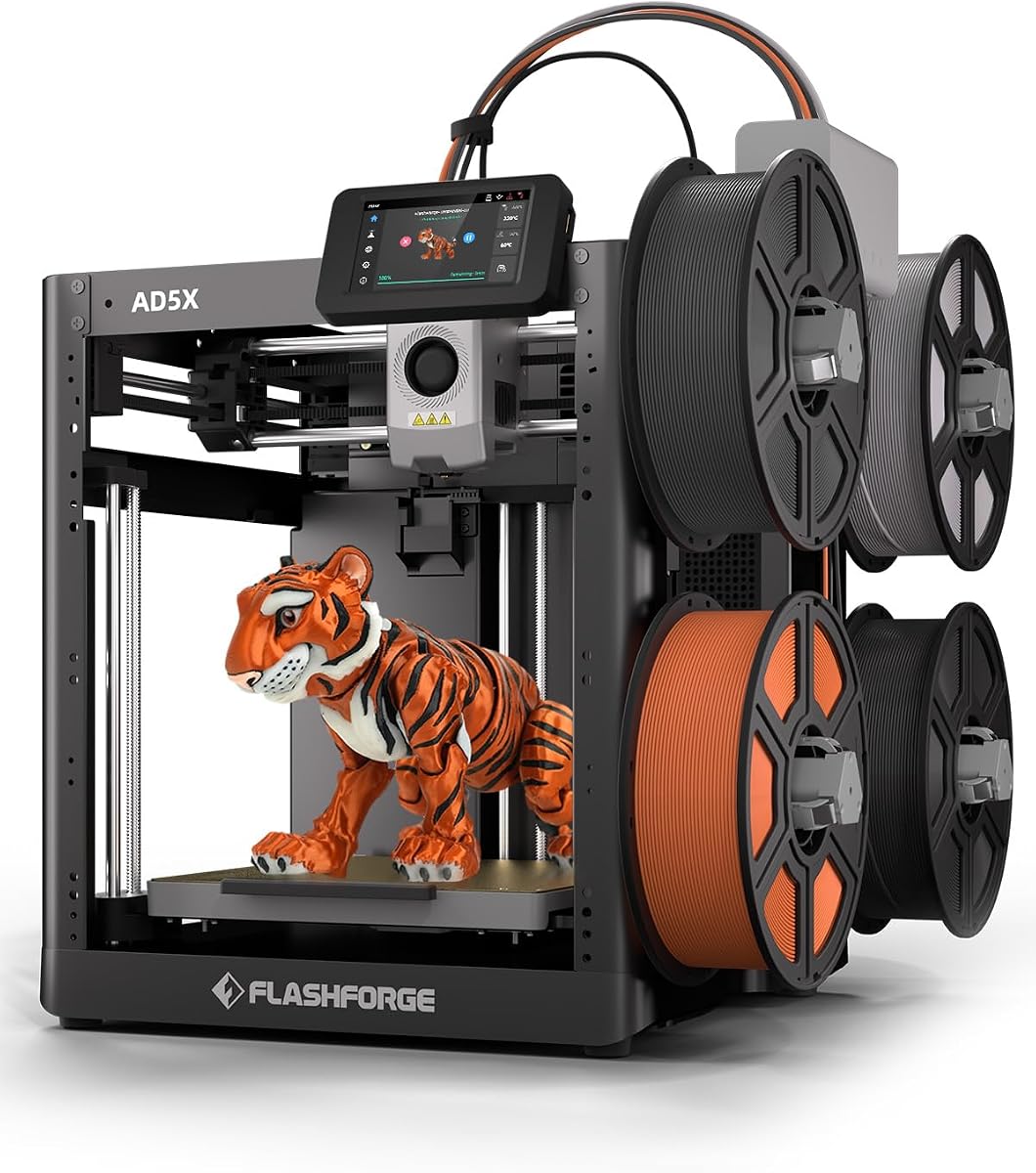
The AD5X is designed for precision and efficiency with its CoreXY structure enabling fast speeds. It supports multi-color printing which is rare at this price point making it very versatile.
We may earn a commission when you buy through this link, at no additional cost to you.
The 300°C extruder allows for a wider range of materials compared to standard printers. One-click auto leveling simplifies the setup process saving valuable time during operation.
It includes practical features like remote monitoring and resume printing for uninterrupted workflow. While ratings are slightly lower it offers strong specs for those needing high-speed prototyping.
Choose this for rapid prototyping and batch production. It balances speed and quality effectively for small businesses focused on getting parts made quickly.
Save time with automatic leveling that ensures the perfect first layer every time.
Choose different nozzle sizes to optimize for detail or speed based on your project needs.
We may earn a commission when you buy through this link, at no additional cost to you.
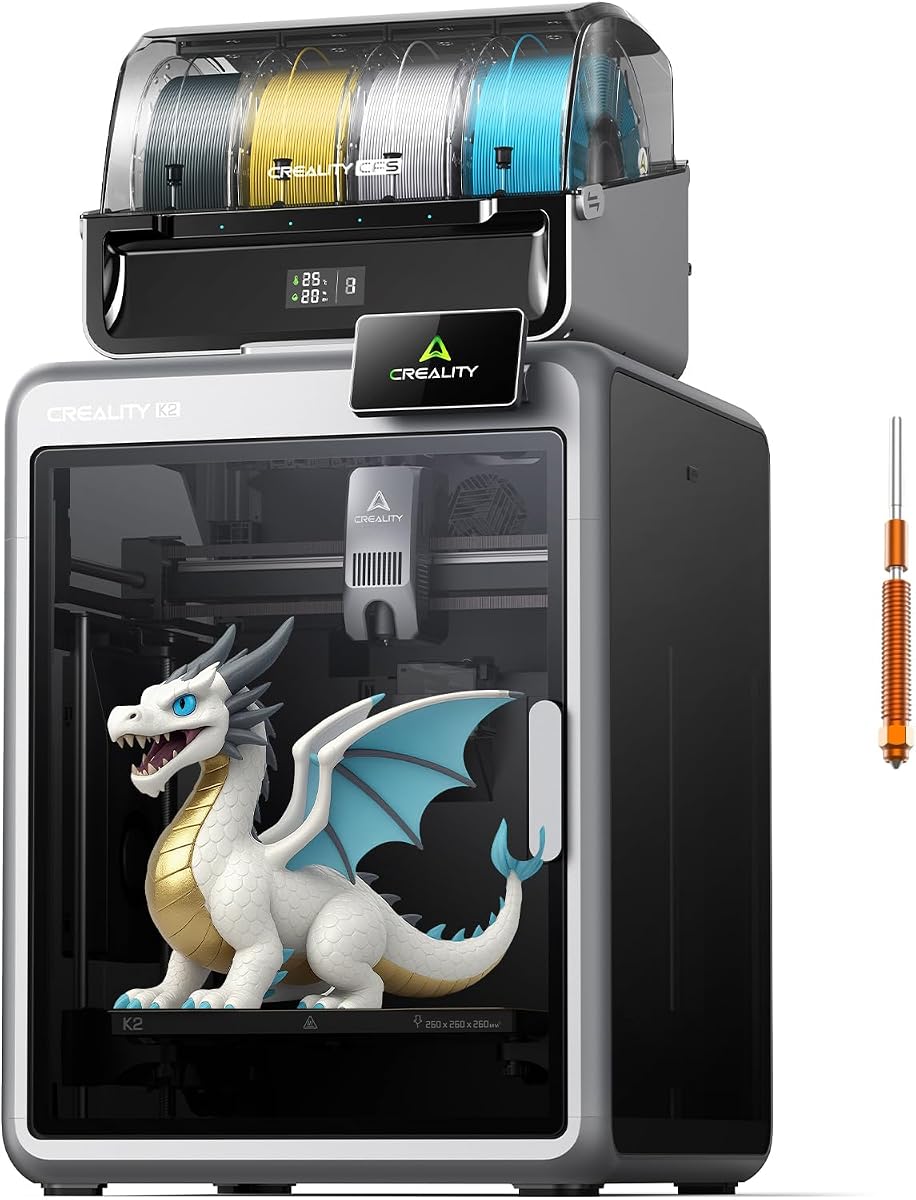
The K2 Combo brings high-end features like multicolor printing to a more accessible price range. It comes pre-assembled so you can start printing immediately after unboxing.
We may earn a commission when you buy through this link, at no additional cost to you.
Silent mode ensures it operates quietly which is great for office environments. The AI camera monitors prints for failures giving you peace of mind while away.
The CFS system allows up to 16 colors making it excellent for detailed branding. Some users note software quirks but updates have improved stability over time.
This is a great entry point for businesses needing color without huge cost. It offers modern features and decent speed for a competitive price.
Work in peace with a printer designed to run quieter than a standard laptop PC.
Keep an eye on your prints remotely to prevent failed jobs and wasted material.
We may earn a commission when you buy through this link, at no additional cost to you.
The K2 Plus is built for businesses needing larger prints without sacrificing speed. Its 350mm build volume allows for big models or batch printing of smaller parts.
We may earn a commission when you buy through this link, at no additional cost to you.
The active temperature control supports high-performance filaments like ASA and PPA for durable parts. Dual cameras monitor both the chamber and the extruder for maximum quality control.
It uses a Matrix frame structure for exceptional rigidity ensuring prints remain accurate even at high speeds. The investment is significant but justified for large-scale needs.
Select this for professional applications requiring size and strength. It handles larger projects efficiently and provides the stability needed for industrial parts.
Print bigger parts in one go saving time on assembly and reducing material seams.
Maintain constant chamber temperature to print difficult engineering materials with less warping.
We may earn a commission when you buy through this link, at no additional cost to you.
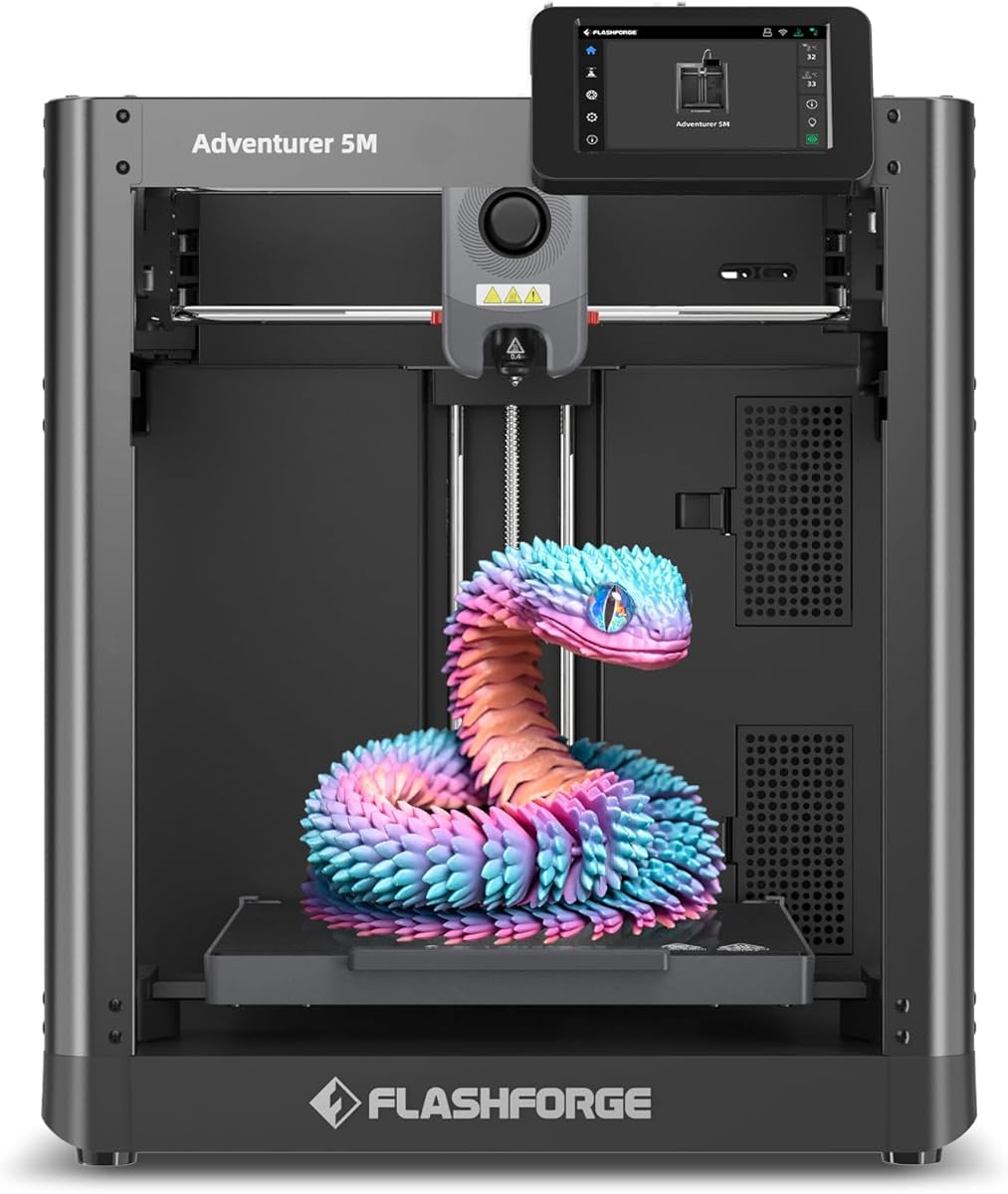
The Adventurer 5M is designed for speed and simplicity making it a practical choice for workshops. Its all metal structure ensures durability while the CoreXY design maintains accuracy at high speeds.
We may earn a commission when you buy through this link, at no additional cost to you.
Quick nozzle changes allow for maintenance and upgrades in seconds. The built-in app monitoring keeps you connected to your prints remotely for added convenience.
Lack of an enclosure limits some high-temperature filaments but it handles PLA and PETG well. It is a solid workhorse for everyday production needs.
This printer suits small businesses needing reliability and ease of use. It simplifies the workflow while delivering fast results for standard projects.
Swap nozzles in just three seconds to reduce downtime during production runs.
Dual-fan cooling ensures consistent quality even during high-speed prints.
We may earn a commission when you buy through this link, at no additional cost to you.
The A1 is praised for its ease of use making it ideal for small businesses without dedicated technical staff. Full-auto calibration ensures you spend time printing not tuning.
We may earn a commission when you buy through this link, at no additional cost to you.
Its high acceleration allows for fast prints while maintaining precision. Active flow compensation ensures smooth layers and detailed results consistently.
The quiet motor noise canceling makes it perfect for office environments. While the build volume is smaller it covers many standard use cases.
Choose this for simplicity and reliability. It removes the friction from 3D printing allowing you to focus on product design.
Say goodbye to manual adjustments with a system that handles calibration automatically.
Work comfortably with a printer designed to minimize noise pollution in your workspace.
We may earn a commission when you buy through this link, at no additional cost to you.
The K2 Combo offers expandable multicolor printing suitable for growing teams. Its smart filament system identifies and handles materials automatically to reduce user error.
We may earn a commission when you buy through this link, at no additional cost to you.
Direct drive extrusion ensures high flow rates for faster printing with engineering materials. Air purifiers are built in to maintain a safe indoor environment.
Silent mode and pre-assembly make it welcoming for less technical users. The balance of features makes it versatile for various business applications.
This is a strong contender for teams needing flexibility. It supports multi-material projects and provides the reliability required for daily production.
Let the printer read RFID tags to auto-configure settings for the correct filament.
Integrated air filtration ensures your workspace remains free of VOCs during printing.
We may earn a commission when you buy through this link, at no additional cost to you.
Selecting the right 3D printer requires understanding your specific business needs. This section breaks down the critical factors to consider before making a purchase.
Businesses often need to produce parts quickly to meet deadlines. Look for models with high acceleration and travel speeds like CoreXY structures to reduce cycle times.
Faster machines mean higher throughput and better profitability for production runs.
Consider the size of parts you need to print regularly. A larger build volume allows for bigger single pieces or multiple smaller items in one job.
Ensure the printer fits in your workspace while offering enough room for your typical projects.
Different products require different materials for strength and flexibility. Check if the printer supports engineering filaments like ABS, ASA, or PETG for durable goods.
A versatile extruder that handles high temperatures expands your design options significantly.
Adding color can differentiate your products in the market. Multi-toolhead or AMS systems enable vibrant branding without manual painting.
Evaluate if color printing aligns with your product goals to justify the extra cost.
Automation reduces human error and setup time. Features like auto leveling, calibration, and monitoring save valuable hours during operation.
Choose a printer with a user-friendly interface to minimize training requirements for staff.
Downtime can hurt your business significantly. Research the brand reputation for reliability and customer support response times.
Active communities and available spare parts ensure you can keep printing even if issues arise.
Consider the initial price along with ongoing material and maintenance costs. Some printers require proprietary filaments which can increase long term expenses.
Calculate potential savings from reduced waste and faster speeds to see the true value.
Indoor printing requires safety measures to handle fumes and particles. Look for models with filtration systems like HEPA filters for better air quality.
Safety features protect your employees and ensure compliance with workplace regulations.
Start by ensuring your printer is on a stable surface and properly calibrated. Use the automatic leveling features to get the first layer perfect every time.
Keep your filament dry and stored properly to prevent print failures. Moisture in filament can cause bubbling and weak parts which waste material and time.
Perform regular maintenance such as cleaning the nozzle and checking belts. Consistent care extends the life of your machine and maintains print quality over time.
Yes, but they are best suited for low to mid-volume production or customized goods. For high volume, injection molding is more cost-effective, but 3D printing offers flexibility for short runs and prototypes.
PLA and PETG are generally the most cost-effective options for everyday printing. They are affordable and easy to print, making them ideal for prototypes and non-functional parts.
Regular cleaning of the nozzle and bed should happen weekly. Check belts and lubrication monthly to ensure smooth operation and prevent wear over time.
It depends on your product needs. Multi-color is great for branding and complex parts, but single-color machines are often more efficient for functional components.
Look for enclosed chambers, HEPA filtration, and thermal protection. These features reduce exposure to fumes and prevent overheating hazards in your workspace.
Use auto calibration and monitoring features to catch issues early. Recycling failed plastic into filament or using soluble supports can also help minimize waste.
Modern printers are designed for ease of use with automation. Basic training is usually sufficient, and online resources provide additional support for troubleshooting.
Slicers like Cura, PrusaSlicer, or Bambu Studio offer robust features. Choose one that supports your printer model and provides detailed control over print settings.
We reviewed ten top options ranging from budget-friendly models to premium industrial machines. Each offers unique strengths in speed, quality, or multi-color capabilities to suit different business needs.
Prioritize factors like build volume and material support based on your specific goals. Automation features can save time, making them valuable for teams without dedicated technical staff.
Prices and availability change frequently so check current listings before making your final decision. Investing in the right machine will help your business grow and produce high-quality parts efficiently.