
8-Port 10G SFP+ Switch, Layer 3 Managed, Enterprise Network Fiber Switch
4.7Editor score
8x 10Gbps SFP+ Ports
Static Routing Support
Fanless Silent Operation
This guide compares the top Layer 3 Network Switch options for performance, security, and scalability to help you choose the right device for your network
Layer 3 Network Switch devices are essential for modern networking that require advanced routing capabilities beyond simple data forwarding. These smart devices handle complex traffic management and security protocols efficiently.
We evaluated ten top rated models based on port speeds, management features, reliability, and overall value for diverse environments ranging from small offices to enterprise data centers.
Each selection highlights key strengths and limitations to guide your decision. Please note that prices and availability fluctuate frequently so verify current details before purchasing online today.
4.7Editor score

4.7Editor score

4.7Editor score
The following table provides a side-by-side comparison of all ten selected Layer 3 Network Switch models highlighting their core specifications and unique selling points.

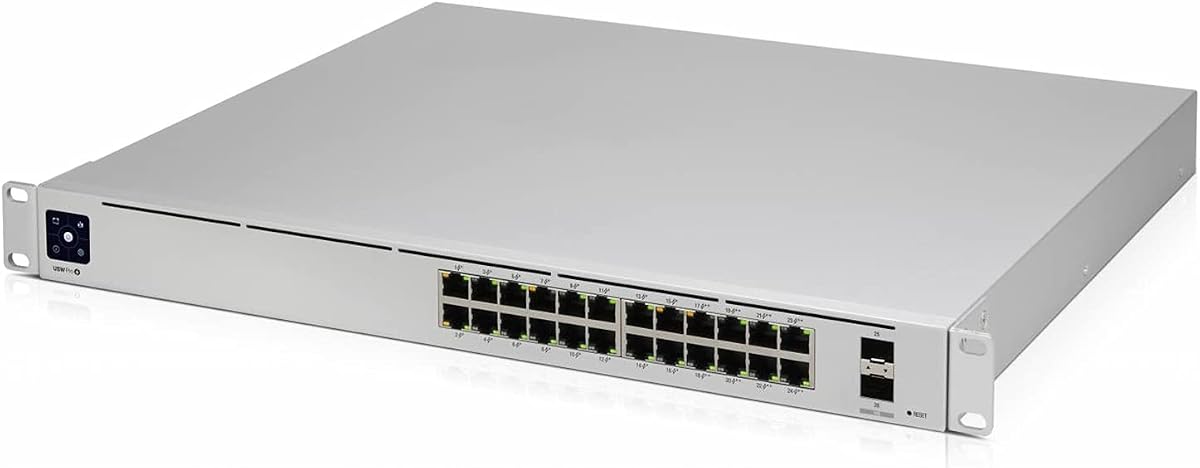




This model stands out as a top choice for professionals seeking reliable Layer 3 capabilities within the UniFi ecosystem. It carries an impressive rating of 4.7 stars reflecting high satisfaction among users for its performance and ease of use.
We may earn a commission when you buy through this link, at no additional cost to you.
The switch offers 24 ports with built in PoE allowing you to power connected devices like access points and cameras directly from the network unit. Its Layer 3 features enable advanced routing and segmentation which is critical for scalable enterprise environments.
While it requires a UniFi Controller for full functionality which may add complexity for some setups the management interface is intuitive and powerful. The price reflects its premium positioning but the feature set justifies the investment for serious network builders.
This device is ideal for businesses or advanced home labs already invested in Ubiquiti hardware. It delivers consistent high speed connectivity and simplifies network management significantly making it the top pick for this category.
Works perfectly with the UniFi Network Controller for centralized management and monitoring of all your network devices.
Enables inter VLAN routing and static routing to optimize traffic flow and reduce dependency on external routers.
We may earn a commission when you buy through this link, at no additional cost to you.
The MokerLink switch delivers exceptional value with eight auto adaptive 10G ports that support various data rates for future proofing. With a rating of 4.3 stars it proves reliable for users needing high bandwidth without enterprise costs.
We may earn a commission when you buy through this link, at no additional cost to you.
It supports both Web and CLI management allowing detailed configuration of routes VLANs and security policies. The metal case ensures durability and heat dissipation while the included rack mount ears offer installation flexibility for various environments.
Although the fan can be noticeable under heavy loads the cooling system is effective for maintaining performance. The CLI interface may require networking knowledge to fully utilize the advanced Layer 3 features available in this model.
This switch is perfect for small to medium businesses or creative studios needing fast file transfers and segmented networks. Its balance of price and performance makes it a strong contender in the Layer 3 Network Switch market.
Ports automatically adjust between 10G 5G 2.5G and 1G to ensure compatibility with various connected devices.
Includes DoS protection ARP inspection and port security to safeguard your network against potential threats.
We may earn a commission when you buy through this link, at no additional cost to you.
This version of the UniFi Pro switch provides robust Layer 3 performance without the cost of PoE capabilities. Rated at 4.4 stars it is a solid choice for environments where devices have independent power sources.
We may earn a commission when you buy through this link, at no additional cost to you.
The unit features 24 gigabit ports and supports optical fiber media for flexible connectivity options. Built in power supply ensures stable operation and rack mounting capabilities help organize cables professionally in server rooms or racks.
Users should note that PoE is not available so additional injectors are needed for powered devices. The Layer 3 switching enhances performance significantly compared to standard switches making it a great option for backbone connections.
Ideal for offices with mostly powered devices or specific infrastructure needs this switch offers efficiency and reliability. It integrates well with the UniFi ecosystem providing a streamlined management experience for network administrators.
Allows for long distance connections using fiber optics to extend network reach beyond standard copper limitations.
Provides efficient connectivity and routing to ensure maximum feasibility for your local area network.
We may earn a commission when you buy through this link, at no additional cost to you.
Designed for power hungry devices this switch offers impressive PoE++ capabilities alongside Layer 3 management features. With a rating of 4.6 stars it stands out for its ability to handle high demand devices like Wi-Fi 7 access points.
We may earn a commission when you buy through this link, at no additional cost to you.
Ports 1 through 4 support up to 90W per port providing ample power for advanced peripherals. The inclusion of 10G uplinks ensures your network can scale to handle increased bandwidth demands without becoming a bottleneck.
The physical console port allows direct access for IT professionals who prefer CLI over web interfaces. While the fan provides necessary cooling it can generate some noise which might be noticeable in quiet office environments.
This model is best suited for tech enthusiasts and professionals needing specific high power connectivity. Its rugged build and advanced management tools make it a reliable choice for demanding enterprise or home lab setups.
Delivers up to 90W per port to support power intensive devices such as PTZ cameras and smart lighting.
Features static routing and VLAN management for precise control over traffic segmentation and security protocols.
We may earn a commission when you buy through this link, at no additional cost to you.
This MikroTik unit combines high speed 10G connectivity with a compact form factor suitable for professional installations. It has received a rating of 4.3 stars indicating strong performance and build quality for its size class.
We may earn a commission when you buy through this link, at no additional cost to you.
The switch offers multiple Ethernet speeds including 100M 1000M and 10000M to accommodate different device requirements. Its 1U rack mount design saves space while maintaining robust connectivity options for server rooms or network closets.
MikroTik devices often require familiarity with RouterOS which can be a barrier for some users. However the quality materials and easy use design ensure that once configured the device performs reliably and efficiently over time.
It is an excellent choice for users needing high throughput in a small footprint. Whether for small business or lab use this switch delivers optimal results through its versatile port configuration and reliable hardware.
Supports 100M 1000M and 10000M speeds to ensure compatibility with a wide range of existing hardware.
The 1U rack mount form factor allows for easy integration into standard server racks without wasting space.
We may earn a commission when you buy through this link, at no additional cost to you.
This specialized switch focuses on fiber connectivity with 16 SFP+ ports to meet high bandwidth demands efficiently. It has earned a 4.4 star rating for its reliable performance in fiber heavy network configurations.
We may earn a commission when you buy through this link, at no additional cost to you.
The unit is fully managed with Layer 3 features allowing complex routing and security setups. An RJ45 console port provides easy access for configuration while the mounting grid ensures secure installation in standard racks.
Lacking standard RJ45 ports requires transceivers for copper connections which may increase initial setup costs. However for fiber focused environments this trade off is negligible given the switch capacity and reliability of SFP+ links.
Ideal for data centers or network uplinks this switch provides essential connectivity without unnecessary bloat. Its adherence to IEEE standards ensures compatibility and long term reliability for professional networking tasks.
Provides 16 SFP+ ports to allow direct fiber connections for maximum speed and distance capabilities.
Supports IEEE 802.1Q standards ensuring compliance and interoperability with other managed network devices.
We may earn a commission when you buy through this link, at no additional cost to you.
This large capacity switch provides 48 gigabit ports and 4 uplinks to support extensive device connections efficiently. Despite a 3.7 star rating it remains a popular choice for high density environments requiring significant port counts.
We may earn a commission when you buy through this link, at no additional cost to you.
The built in touchscreen display offers quick status checks without needing to log into a controller. UniFi SmartPower RPS DC input ensures high reliability for power delivery in critical network setups where uptime is essential.
Some users report challenges with setup complexity or compatibility with specific controller versions. The touchscreen is convenient but may not offer full feature access compared to the web interface which is fully capable.
It is best suited for large offices or environments needing many wired connections. For those who need the scale of 48 ports with manageable routing features this switch provides a strong solution despite minor drawbacks.
The 1.3 inch touchscreen provides immediate visibility of network status and port information without software.
Four 10G SFP+ ports allow for high speed aggregation to prevent bottlenecks on network edge connections.
We may earn a commission when you buy through this link, at no additional cost to you.
This model excels with silent operation and high speed connectivity making it perfect for quiet environments. Rated 4.7 stars it offers impressive value with 10G SFP+ ports at a competitive price point for budget conscious users.
We may earn a commission when you buy through this link, at no additional cost to you.
Its fanless design with heat dissipating metal chassis ensures durability without generating noise. Advanced Layer 3 routing including OSPF helps reduce load on your primary router by handling inter VLAN routing efficiently internally.
Users must note that changing port modes affects all ports which requires careful planning for mixed speed setups. The secure loop recovery and anti spoofing features add enterprise grade reliability to this compact and affordable device.
Best for home labs or creative studios this switch balances performance and cost effectively. Its silent operation and robust build make it a top budget choice for those needing 10G speeds and routing features.
A completely fanless design ensures zero noise making it ideal for quiet offices and noise sensitive spaces.
Internal routing reduces primary router load allowing for smoother traffic management and better overall performance.
We may earn a commission when you buy through this link, at no additional cost to you.
Part of the Pro Max series this switch offers 16 ports with 2.5G capabilities for faster network speeds. With a rating of 4.5 stars it balances performance and reliability effectively for users seeking modern speed standards.
We may earn a commission when you buy through this link, at no additional cost to you.
The managed nature of the switch allows for VLANs and traffic segmentation which are vital for network security. It is a non PoE version so devices require external power which helps maintain a clean and affordable design.
Integration with the UniFi ecosystem ensures seamless monitoring and control via a unified interface. While limited to 16 ports it is sufficient for many small to medium setups needing a balance of speed and manageability.
This model is recommended for those prioritizing speed in a managed environment without PoE needs. Its compact design and robust performance make it a smart choice for upgrading legacy networks to modern standards.
Ports support up to 2.5Gbps providing faster throughput than standard 1G ports for high speed data needs.
Works seamlessly with UniFi controllers for easy monitoring and configuration of all connected network devices.
We may earn a commission when you buy through this link, at no additional cost to you.
This top tier switch features Etherlighting ports that visually indicate speed and VLAN status instantly. Rated 4.7 stars it represents the premium end of the market with a silent fanless design and robust 180W PoE budget.
We may earn a commission when you buy through this link, at no additional cost to you.
The lighting technology simplifies troubleshooting and maintenance by making port status instantly recognizable. It supports versatile mounting options including desktop wall and rack setups to adapt to any physical space requirement easily.
While expensive the build quality and feature set justify the cost for users seeking convenience and aesthetics. The silent cooling ensures it remains unobtrusive in any environment whether it be an office or a living room setup.
Ideal for those wanting a polished and highly functional network solution this switch delivers on performance and design. Its premium features and reliable operation make it a standout choice for high end networking needs.
Ports illuminate to indicate location speed link status and native VLAN for intuitive network management.
A fanless cooling system ensures quiet operation while maintaining optimal temperature for reliable performance.
We may earn a commission when you buy through this link, at no additional cost to you.
Selecting the right Layer 3 Network Switch requires understanding your bandwidth needs management requirements and budget constraints.
Evaluate how many devices you need to connect and what speeds they require. Ensure the switch offers enough ports with high speeds like 2.5G or 10G to avoid bottlenecks as your network grows over time.
Always choose a switch with more ports and higher speeds than your current needs to future proof your infrastructure.
Determine if your devices like cameras or access points need Power over Ethernet. Check the total wattage budget per port to ensure the switch can power your specific devices without overloading the system.
Look for PoE++ options if you plan to use high power devices to ensure stable power delivery.
Decide if you need simple plug and play or advanced control like VLANs and routing. Managed switches offer better security and traffic control but require more technical knowledge to configure properly.
Prioritize a management interface that matches your technical skills such as web UI or CLI options.
Consider where the switch will be placed whether on a desk or in a server rack. Rack mount units save space and protect hardware while desktop models are flexible for smaller environments.
Ensure the physical design fits your available space and installation method for optimal use.
Check if the switch uses fans or passive cooling. Fan models are cooler but louder while fanless models are silent but may have limits on sustained load performance.
For quiet spaces choose a fanless design to maintain a noise free environment.
Compare features against price to find the best balance for your situation. Higher priced switches often offer better build quality and support which can save money in long term reliability.
Set a clear budget but do not compromise on essential features needed for network stability.
Consider if you are already using specific controllers or hardware from a vendor. Switches from the same ecosystem integrate better reducing setup time and management complexity significantly.
Stick to one ecosystem if possible to simplify your network management and support workflow.
Look for switches with robust security features like ACLs and authentication. These features prevent unauthorized access and protect your data from common network attacks effectively.
Ensure the switch supports modern security standards to keep your network safe and secure.
Proper installation is key for longevity so place the switch in a well ventilated area with good airflow. Ensure it is securely mounted if using rack ears to prevent accidental falls or cable stress.
Regularly update the firmware to patch security vulnerabilities and improve performance features. Most switches offer a simple web interface or app to check for and install these updates without downtime.
Monitor port statistics and logs periodically to identify and resolve any potential issues early. This proactive approach helps maintain high network performance and prevents minor errors from becoming major disruptions.
A Layer 3 Network Switch is a device that forwards data packets between computer networks. It operates at the network layer of the OSI model allowing it to route traffic based on IP addresses which improves efficiency.
Most home users do not strictly need one unless you run a large local network. If you have multiple VLANs or heavy file sharing needs it can improve speed and organization significantly.
PoE allows the switch to send power over the same cables as data. This reduces cable clutter and simplifies installation for powered devices like cameras and wireless access points.
Managed switches offer more features which can make initial setup more complex. However many modern models come with intuitive interfaces that simplify the process for less technical users.
SFP ports support lower speeds usually up to 1Gbps while SFP+ supports up to 10Gbps. Both use similar modules but SFP+ is required for higher bandwidth connections.
Yes Layer 3 switches are excellent for gaming networks due to low latency and high throughput. They also help organize traffic to reduce lag by managing data flow efficiently.
We have reviewed ten top models that cover various needs from budget friendly to premium enterprise solutions. Each option offers distinct advantages in terms of speed management and build quality.
When choosing prioritize the factors that matter most to your specific network setup. Whether it is PoE budget or port count ensuring you match the switch to your needs will yield the best results.
Prices and availability change frequently so always verify current details before finalizing your purchase online. Taking these steps ensures you get the right device for your network at the best value.