
Electronic Silicone Adhesive Sealant, Conformal Coating for Electronics
4.6Editor score
High viscosity insulation
Waterproof sealing layer
Wide temperature range
Discover the top rated adhesives for electronic components comparing silicone sealants thermal conductive glues and conductive epoxies for secure bonding and
Electronic projects require reliable bonding solutions to ensure longevity and performance. Choosing the right adhesive prevents damage from moisture, heat, and vibration. This guide explores ten top options for securing components safely.
We evaluated products based on thermal conductivity, insulation properties, and ease of application. Each selection offers distinct advantages for specific repair or manufacturing needs. Our comparisons highlight strengths for DIY enthusiasts and professionals alike.
Every pick details key specs, pros, cons, and ideal use cases. Read through to find the perfect adhesive for your circuit boards or devices. Note that availability and terms may shift without notice.
4.6Editor score

4.4Editor score
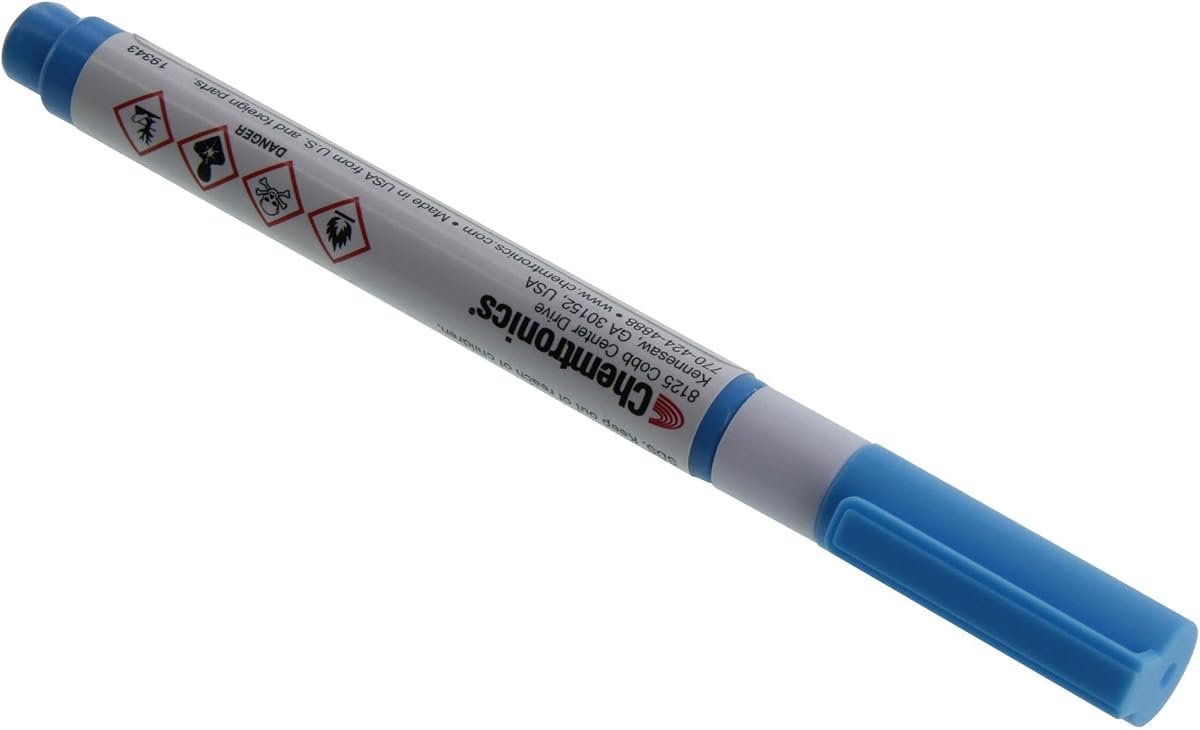
4.5Editor score
This table contrasts ten leading adhesives for electronic components by key technical specs and use cases. Review each entry to identify the best match for your bonding requirements.


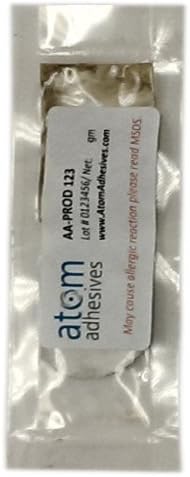
This silicone sealant ranks first for its balanced insulation and sealing capabilities. It boasts a 4.6 rating and offers high viscosity for effective electronic protection. Ideal for conformal coating on boards and cables.
We may earn a commission when you buy through this link, at no additional cost to you.
Its standout feature is the waterproof, elastic layer formed after curing. It resists weather and remains flexible across a massive temperature span from negative fifty to two hundred Celsius. Transparency stays unchanged even after prolonged use.
The main trade-off is that flow properties depend on application speed. Users must apply evenly to avoid deposits. However, the quick drying nature minimizes downtime for most circuit repair or assembly tasks.
Buyers needing affordable, reliable insulation should choose this adhesive. It suits household appliances, photovoltaic supplies, and general electronic sealing. Verify compatibility on small areas before full application to ensure best results.
Operates reliably from extreme cold to high heat ensuring components stay protected year round without degradation of the bond.
High viscosity combined with excellent flow allows users to distribute the sealant uniformly without leaving messy residues behind.
We may earn a commission when you buy through this link, at no additional cost to you.
This T-7000 glue is designed for professionals and DIY repairs on phones and electronics. It holds a 4.6 rating and features high concentration for strong bonding. Perfect for intricate work on cell phones and tablets.
We may earn a commission when you buy through this link, at no additional cost to you.
Its elasticity allows stretching up to 900 percent without breaking. This flexibility ensures repairs withstand vibration and stress. The needle dispenser enables precise application in tiny areas without waste or mess during assembly.
Note that it is unsuitable for valuable or irreplaceable items. Testing on a small area first is required. The solid content ensures strong adhesion but curing takes time for maximum strength development.
Select this glue for phone screens, jewelry, or craft repairs needing flexibility. It surpasses acrylic and rubber glues. Always follow safety notices and keep out of children reach while working on electronics.
Absorbs vibration and expansion without cracking making it ideal for devices that undergo frequent handling or environmental shifts.
The anti-clog needle tip fits comfortably allowing exact placement of adhesive where traditional brushes or caps would fail.
We may earn a commission when you buy through this link, at no additional cost to you.
This thermal glue is essential for managing heat in high-stress components. With a 4.4 rating, it offers high thermal conductivity with low impedance. It ensures GPUs, VRMs, and chips stay cool securely.
We may earn a commission when you buy through this link, at no additional cost to you.
It is non-electrically conductive and non-corrosive protecting delicate circuits. The silicone formula provides strong adhesion even at high temperatures. A must-have for 3D printer maintenance and Peltier cooler modules for stable performance.
While the 10g tube is small, it is cost-effective for targeted projects. It replaces messy pastes with a structural bond. The trade-off is needing care during application to avoid excess spreading on boards.
Buyers needing thermal stability should prioritize this glue for MOSFETs and LED arrays. It prevents thermal throttling effectively. Verify substrate compatibility before bonding to ensure longevity and optimal heat transfer results.
High conductivity ensures heat moves quickly from components to heatsinks preventing performance drops during intense usage scenarios.
Guarantees electrical safety on PCBs preventing shorts that could occur with conductive compounds during thermal bonding operations.
We may earn a commission when you buy through this link, at no additional cost to you.
This adhesive provides high thermal conductivity for heat dissipation on GPUs and LED arrays. It has a 4.6 rating and is safe for users and components. It helps disperse heat to heat sinks reliably.
We may earn a commission when you buy through this link, at no additional cost to you.
It is non-conductive and non-toxic ensuring long-term safety. Strong adhesion to metals and non-metals ensures reliable connections. The fast drying time allows quick use with minimal downtime for most repair tasks.
The main limitation is it cannot be used between CPU and heatsink. Users must check compatibility before application. However, for other chips like MOSFETs it offers excellent results with strong bond performance.
Select this glue for LED or chipset bonding needing efficient thermal transfer. It is non-expanding and protects substrates. Contact support if glue overflows to ensure proper service and product satisfaction.
Designed to bond directly to components that need immediate heat dissipation ensuring stable operation under heavy load conditions.
Cures on contact with air allowing technicians to proceed quickly without long waiting periods for adhesion to set.
We may earn a commission when you buy through this link, at no additional cost to you.
This silicone is formulated for protecting and sealing electronic materials. It has a 4.6 rating and is ideal for corrosion-sensitive items. It provides reliable sealing for copper, brass, and silver components safely.
We may earn a commission when you buy through this link, at no additional cost to you.
The neutral-cure system emits no objectionable odors during cure making it safer indoors. It is suited for confined assembly areas where ventilation is limited. Adequate ventilation is still recommended for large-scale production runs.
The main trade-off is potential ventilation requirements for massive batches. However, for smaller repairs, it excels at protecting sensitive electrical and electronic parts. It ensures integrity without harmful byproducts during the process.
Buyers needing corrosion protection should choose this silicone. It suits production and assembly of sensitive components. Always verify environmental conditions and safety protocols before use in production environments.
Prevents corrosion on copper brass and silver ensuring long-term integrity of electrical connections without chemical degradation.
Cures without harsh smells making it safer for use in confined indoor workspaces where air quality is a concern.
We may earn a commission when you buy through this link, at no additional cost to you.
This adhesive is a clear electronic grade silicone for sealant needs. It holds a 4.4 rating and is designed for precision dispensing. The 20g tube offers controlled application for electronics assembly tasks.
We may earn a commission when you buy through this link, at no additional cost to you.
It provides reliable sealing and adhesive properties common to silicone. The clear finish ensures visibility during and after curing. It suits tasks where aesthetics and protection are equally important for components.
The description is basic so users may need to verify compatibility. However, precision dispensing helps avoid waste. The trade-off is limited detailed specs, but the core function meets general needs.
Buyers needing small quantities for precision work should consider this. It fits electronics grade sealant applications. Confirm specific curing requirements before use in sensitive environments.
Dispensing design allows exact placement on small parts where excess adhesive could cause short circuits or visual issues.
Transparent appearance ensures bonds remain visible during quality checks without obscuring underlying details on circuit boards.
We may earn a commission when you buy through this link, at no additional cost to you.
This T-7000 glue is a definitive solution for phone and speaker repairs. It has a 4.6 rating and includes tweezers for small components. Ideal for securing screens and covers with a strong bond.
We may earn a commission when you buy through this link, at no additional cost to you.
Its high elasticity stretches to 900 percent absorbing vibration. It achieves maximum strength after 48 hours for structural durability. Waterproof glue applications benefit from this rubber adhesive quality in structural repairs.
Cleaning surfaces is critical for best bonds. Excess adhesive can be trimmed away easily for a flawless finish. The trade-off is waiting for full strength development but the results are robust.
Buyers needing professional-grade phone adhesive should choose this. It is reliable for mobile device fixes. Store safely and keep surfaces clean to ensure successful outcomes.
Includes tools needed for tiny components like rhinestones or screws making it a one-stop shop for repairs.
Develops a strong lasting bond suitable for smartphones and tablets ensuring screens stay firmly in place.
We may earn a commission when you buy through this link, at no additional cost to you.
This T-8000 kit offers multiple sizes for varied projects. It has a 4.8 rating and includes screwdrivers and bands. Perfect for cell phones, LCDs, and jewelry requiring strong transparent bonds.
We may earn a commission when you buy through this link, at no additional cost to you.
Medium viscosity ensures controlled gluing without residue. Low odor and no hardening make it safe for sensitive materials. It achieves high strength after solidifying providing reliable adhesion for electronics.
Storage and temperature must be maintained between 10 to 28 degrees. Positioning takes three minutes with pressure before curing. The trade-off is time for solidification, but the flexibility is excellent.
Buyers needing versatile glue for diverse materials should select this. It handles plastics, ceramics, and fabrics. Follow usage instructions to ensure best adhesion and bonding effect.
Includes 15ml 50ml and 110ml tubes allowing users to pick the right amount for any project size.
Screwdrivers and tweezers simplify disassembly and assembly tasks without needing to source extra hardware separately.
We may earn a commission when you buy through this link, at no additional cost to you.
This conductive epoxy offers strong bonds for metals and glass. It has a 3.7 rating and uses a silver formulation. It hardens at room temp providing unbeatable strength for electronics applications.
We may earn a commission when you buy through this link, at no additional cost to you.
The single use pouch simplifies mixing in the packet. It is compliant with environmental standards like RoHS and Reach. Best for most electronics applications needing conductivity without high costs.
The lower rating suggests handling or application nuances. Users must work quickly with one-hour work time. The trade-off is small quantity, but it is efficient for targeted repairs.
Buyers needing conductive epoxy should verify use cases. It bonds well to many substrates. Use for circuits needing electrical continuity or metal repairs.
Electrically conductive silver formula ensures reliable electrical paths through the adhesive for circuit repairs.
Meets environmental compliance standards making it safe for regulated production or repair environments.
We may earn a commission when you buy through this link, at no additional cost to you.
This premium adhesive offers conductive bonding with nickel content. It holds a 4.5 rating and features an acrylic adhesive base. The grey color provides visibility during precise application on electronic components.
We may earn a commission when you buy through this link, at no additional cost to you.
Included tools like dispensers simplify usage for professionals. It delivers reliable adhesion for tasks needing conductivity. The premium nature ensures quality for sensitive or specialized applications in repair or assembly.
The small size limits bulk use. Users must handle with care to avoid waste. The trade-off is higher price, but it suits specialized needs where reliability is paramount.
Buyers needing premium conductive adhesive should consider this. It provides controlled application. Verify dispenser compatibility before use to ensure optimal performance.
Delivers reliable conductive bonding for specialized electronics repair requiring specific metal content.
Dispenser included allows controlled use for small amounts reducing waste on expensive components.
We may earn a commission when you buy through this link, at no additional cost to you.
Selecting the right adhesive requires understanding thermal, electrical, and mechanical needs. This guide breaks down key factors to help you choose efficiently.
Thermal conductivity measures how well an adhesive transfers heat from components like CPUs or LEDs to heatsinks. High conductivity prevents overheating and extends hardware lifespan. Look for values above 0.9 W/m-K for optimal performance.
Prioritize adhesives with high thermal conductivity to ensure heat dissipates effectively from high-stress electronic components during use.
Electrical conductivity determines if the adhesive can conduct electricity. For shielding or grounding, conductive adhesives are essential. However, for general bonding, non-conductive options prevent accidental shorts and protect sensitive circuitry from damage.
Choose non-conductive adhesives for general assembly and conductive ones only when electrical paths are required.
Curing time affects how quickly a device can be used after repair. Fast-curing adhesives minimize downtime but may lack ultimate strength. Slow-curing options often provide better durability for long-term structural repairs and demanding environments.
Balance curing speed with required strength depending on whether the repair needs immediate use or long-term reliability.
Temperature resistance ensures the adhesive stays stable under heat or cold. Electronics often face extreme conditions, so adhesives must withstand ranges like -50C to 200C without degrading. This protects components from environmental damage and failure.
Select adhesives with wide temperature resistance to ensure stable performance in various operating climates.
Compatibility with substrates like glass, metal, or PCBs is vital. Some adhesives corrode sensitive metals like copper. Always test on small areas. Ensure the adhesive bonds well without damaging the surface it is attached to.
Verify material compatibility before bonding to prevent corrosion or damage to delicate electronic surfaces.
Precision dispensing helps apply adhesive only where needed. Needle tips or controlled nozzles reduce waste and prevent overflow onto other components. This is crucial for intricate repairs where tiny amounts are sufficient for strong bonds.
Choose adhesives with precision tools to ensure clean and controlled application.
Viscosity affects how easily the adhesive spreads. High viscosity prevents dripping but may require more pressure. Low viscosity flows well into gaps. Matching viscosity to the task ensures even coverage without mess or incomplete bonding.
Consider viscosity for your specific task to ensure proper coverage and flow.
Elasticity allows the adhesive to stretch without breaking. High elasticity absorbs shock and vibration. Tensile strength ensures the bond holds under stress. Both are important for devices subject to movement or physical impact.
Look for high elasticity and tensile strength to ensure durable bonds in active devices.
Prepare surfaces by cleaning with isopropyl alcohol to remove dust or oils. Dry thoroughly to ensure strong adhesion and bonding results.
Apply the adhesive using the provided tip or nozzle. Work in a ventilated area to maintain safety and avoid inhaling any vapors.
Allow the adhesive to cure for the recommended time before applying stress. Store the tube tightly sealed to prevent drying and extend shelf life.
Thermal conductive adhesives are ideal for securing heatsinks to components like CPUs. They transfer heat efficiently while bonding the metal securely. Choose a non-conductive option to avoid accidental shorts on the circuit board.
Yes, many silicone adhesives are non-corrosive and safe for PCBs. They protect against moisture and corrosion without damaging delicate tracks. Ensure the specific product is labeled electronic-grade for best compatibility.
Use conductive adhesives when electrical continuity is needed. Choose non-conductive ones for general bonding or shielding. Match the choice to your circuit requirements to prevent interference or shorts.
Curing times vary from minutes to 24 hours. Initial set may be fast, but full strength often requires 24 to 48 hours. Check the product label for specific curing requirements before handling the device.
Generally, no. Craft glue lacks thermal and electrical insulation properties. Use specifically formulated electronic adhesives to ensure durability and safety. Craft glues may corrode or fail under heat.
Most silicone adhesives store best between 10 to 28 degrees Celsius. Extreme cold or heat can degrade the formula. Keep tubes tightly capped in a cool, dry place to extend shelf life.
Many flexible adhesives can be trimmed or peeled. For rigid types, use solvents carefully or heat to soften. Always test on a small area to avoid damaging the component surface.
Neutral-cure silicones emit no odors, but others may require ventilation. Check safety labels for specific needs. Good airflow ensures safer handling during assembly or repair tasks.
The top picks highlight diverse needs from thermal management to structural bonding. Each adhesive offers distinct advantages for electronics repair and assembly tasks.
Prioritize thermal conductivity and electrical insulation based on your project. Match curing time to your workflow speed and durability needs for best results.
Always verify current availability and check prices before purchasing. This guide provides expert insights to help you find the right adhesive for secure bonding.