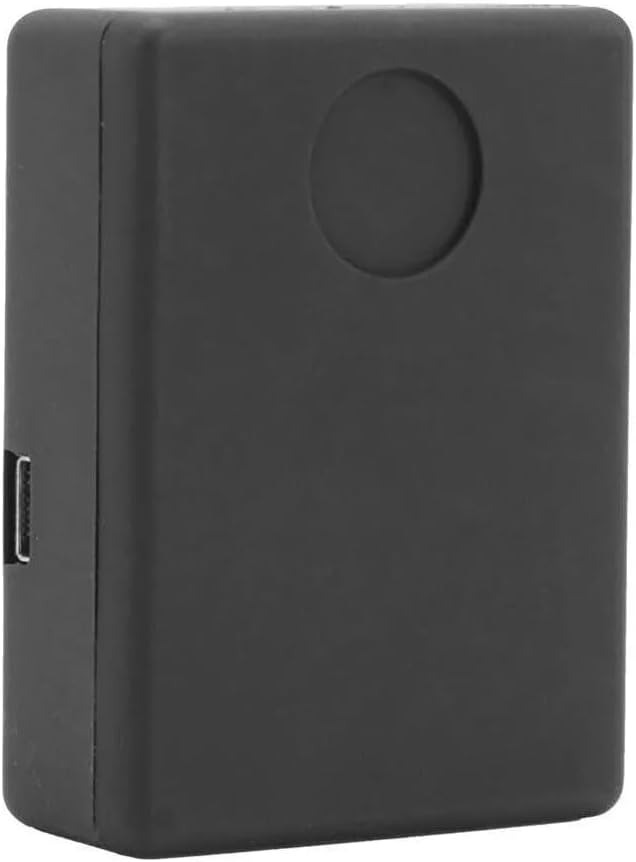
N9 Wireless GSM Listen Audio Bug
1.8Editor score
Quad-band GSM support
Built-in dual microphones
Easy SIM call operation
This guide compares the top 10 GSM audio listening devices for surveillance and monitoring. Find the best options for voice detection, remote listening, and
Finding the right GSM audio listening device can be crucial for security or monitoring needs. These devices allow remote audio access through cellular networks. The best options offer clear sound, reliable connectivity, and discreet designs for various applications.
We evaluated ten products based on audio clarity, connectivity options, battery life, and ease of use. Each device was compared for real-world performance in voice detection and remote listening scenarios. This list covers everything from basic SIM-based bugs to advanced cloud recording systems.
Each pick highlights key features, strengths, and potential limitations to help you choose wisely. Prices and availability may change frequently so always check the latest details before purchasing. Our goal is to provide honest insights for informed decision-making in this specialized market.
1.8Editor score


5.0Editor score
The following table provides a side-by-side comparison of all ten featured GSM audio listening devices. Review key specifications and capabilities to identify which model best fits your specific monitoring or surveillance requirements.
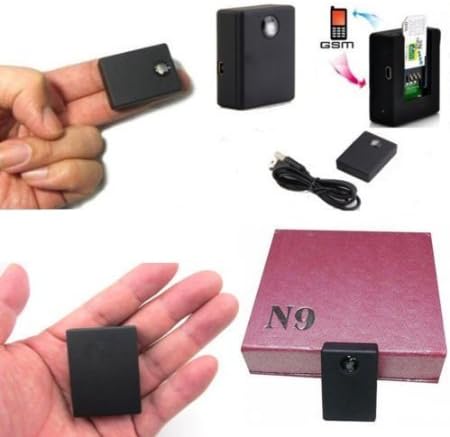



The N9 Wireless GSM Listen Audio Bug offers basic remote listening via SIM card calls. With a low price point it targets users seeking simple surveillance tools. Its quad-band support enables worldwide use though user reports vary significantly on performance reliability.
We may earn a commission when you buy through this link, at no additional cost to you.
Its main strength lies in simplicity. Just insert a SIM and call the number to hear nearby voices. The built-in dual microphones aim to provide decent audio capture within ten meters. Pre-setting numbers allows quick access without complex setup steps.
However the trade-offs are notable. The range is restricted to about ten meters which limits flexibility. Sound quality may not be suitable for critical applications. Users should expect basic functionality rather than professional-grade monitoring capabilities.
This device suits those needing low-cost temporary monitoring. It works best in controlled environments where range and audio clarity are secondary concerns. For serious applications consider models with enhanced recording or cloud features.
The device requires only a SIM card insertion and phone call to activate listening functions.
Quad-band GSM enables operation across multiple frequency bands used worldwide.
We may earn a commission when you buy through this link, at no additional cost to you.
The Z95G model enhances traditional bugs with cloud recording and 4G connectivity. It aims to provide remote file access without constant calls. Voice detection triggers recording only when sound is present extending battery life significantly for long-term deployment.
We may earn a commission when you buy through this link, at no additional cost to you.
Its MEMS digital microphone ensures higher audio fidelity compared to standard options. Continuous recording can reach up to twenty hours before file upload. This feature makes it ideal for situations needing archived evidence rather than live monitoring only.
Users must note regional limitations. VoLTE calling may not work in the USA requiring data SIMs instead. While versatile globally setup steps vary by carrier. Battery performance remains strong with seven days standby in trigger mode.
This device balances live listening with archival needs. It suits professionals needing secure cloud storage and remote file playback. For those prioritizing advanced connectivity and recording capacity this is a top contender in the category.
Files upload automatically to a server allowing remote access without direct device connection.
Trigger standby mode conserves power by recording only when audio is detected.
We may earn a commission when you buy through this link, at no additional cost to you.
This N9 variant mirrors the first model with similar SIM-based functionality. It provides an alternative listing potentially with different pricing or stock availability. The design focuses on portability allowing easy concealment in various environments for discreet operation.
We may earn a commission when you buy through this link, at no additional cost to you.
Operation remains straightforward through phone calls to the installed SIM number. It supports both telephone and mobile numbers for flexibility. The two built-in microphones aim to capture clear audio within a ten-meter radius consistently.
Despite improvements in user feedback ratings remain moderate. Performance depends heavily on signal strength and local carrier networks. Users seeking advanced features like recording or alerts may find it too limited for complex needs.
Best for casual or occasional use cases. It works where budget constraints are primary and high fidelity is not critical. Consider upgrading to 4G models if reliability and remote access are higher priorities.
This version provides a low-cost entry point for basic remote audio access needs.
Compatible with both landline and mobile numbers for broader user setup options.
We may earn a commission when you buy through this link, at no additional cost to you.
The Z95G-EXT builds on the standard 4G model with an external microphone. This extension improves audio pickup distance by separating the mic from the main unit. It suits scenarios where concealment of the recording unit is critical for operational security.
We may earn a commission when you buy through this link, at no additional cost to you.
Cloud recording and email alerts ensure users know when audio is captured. The MEMS digital mic maintains quality even at extended distances. Battery life remains robust with twenty hours of continuous operation under normal usage conditions.
However the external mic adds bulk and installation steps. Users must position the mic carefully for optimal results. This version is best for fixed installations rather than portable or temporary deployment needs.
Ideal for environments requiring precise audio targeting. It works well in offices or rooms where the main unit can stay hidden. Consider this if flexibility in microphone placement outweighs the extra cost involved.
The external mic allows placement up to three feet from the main unit for better audio.
Email notifications provide passive awareness of activity without constant monitoring.
We may earn a commission when you buy through this link, at no additional cost to you.
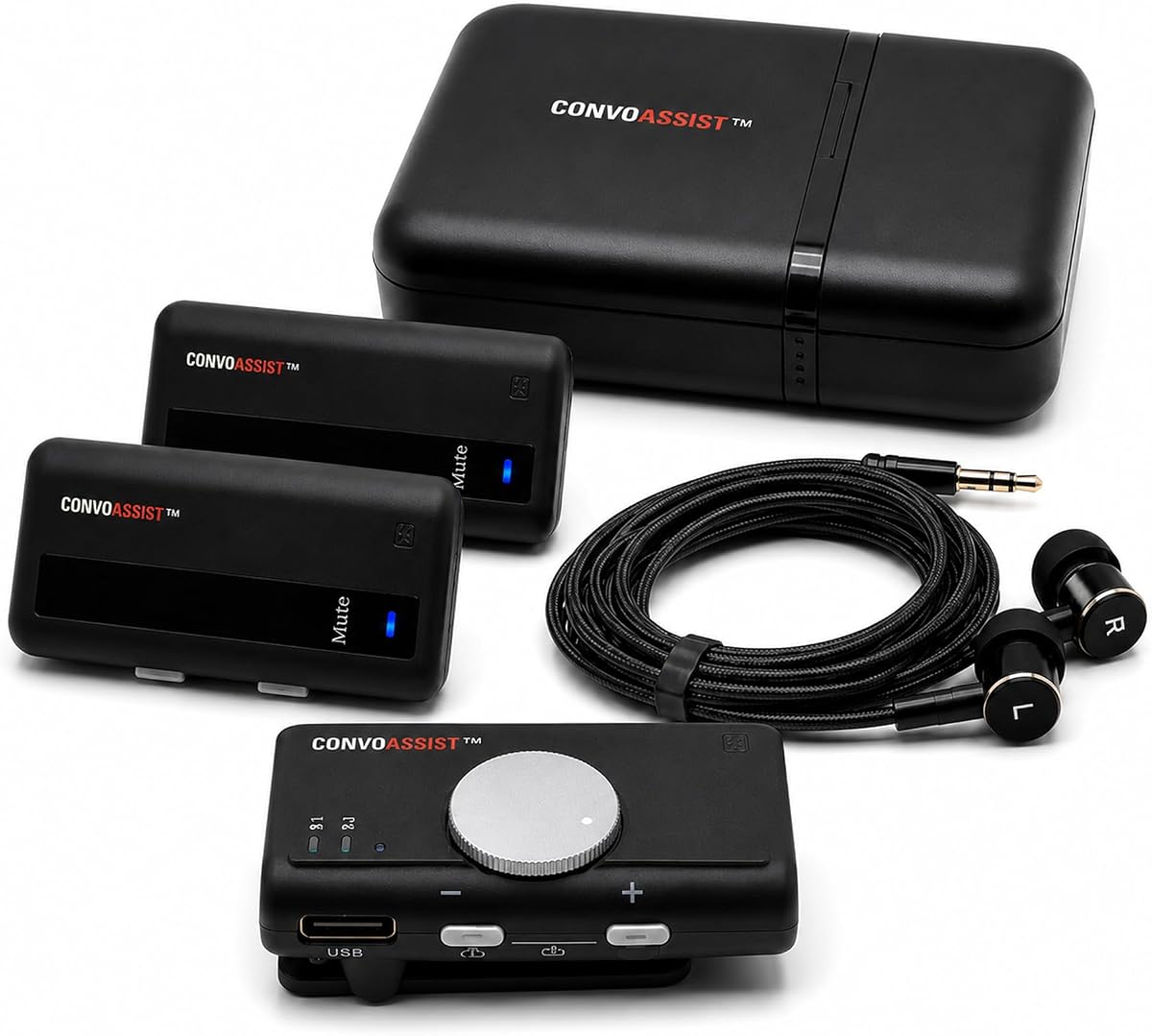
ConvoAssist is a personal sound amplifier for conversations rather than remote bugs. Developed by an ENT physician it targets hearing assistance. Dual wireless microphones allow real-time audio transmission from speakers to earbuds over distances.
We may earn a commission when you buy through this link, at no additional cost to you.
Setup is designed for simplicity. Remove from case to auto-connect with no app needed. It supports any headphones or included earbuds. Charging case offers up to eight hours of listening time for all-day usage.
Unlike GSM devices it operates via Bluetooth locally. It lacks remote capabilities beyond direct pairing. This makes it safe and legal for personal use in social or professional settings.
Best for individuals needing conversation support at gatherings. It is not suitable for surveillance but excels in one-on-one interaction. Prioritize this if hearing clarity is the primary goal.
Created by a board-certified ENT to help users understand speech clearly in noise.
No pairing buttons required the system powers on and connects when removed from case.
We may earn a commission when you buy through this link, at no additional cost to you.
This earpiece combines GSM calling and Bluetooth pairing for flexibility. It suits stage performers or guides needing discreet audio. The built-in battery offers extended use while the compact shape ensures comfort during long wear.
We may earn a commission when you buy through this link, at no additional cost to you.
In GSM mode it uses a SIM card for calls. Bluetooth mode connects to devices like phones via PD Ear name. The speaker unit aims for loud clear audio suitable for noisy environments.
Its design favors professional audio needs over surveillance. Users should verify SIM compatibility as specifics are vague. It is a dual-purpose tool rather than a dedicated bug.
Ideal for conference hosting or guided tours. It works well where hands-free communication is key. Consider this for personal audio assistance rather than remote monitoring tasks.
Switch between SIM-based calls and Bluetooth connections based on immediate needs.
Lightweight and compact build allows extended wearing without discomfort.
We may earn a commission when you buy through this link, at no additional cost to you.
This receiver is part of a professional wireless listening system. It uses 2.4GHz digital technology for reliable communication over long distances. It supports one-way and two-way audio making it versatile for tours or assistive listening.
We may earn a commission when you buy through this link, at no additional cost to you.
The rechargeable battery offers convenience over disposable options. Users can connect multiple listeners simultaneously up to six speakers with many more hearing the audio. It fits guided tours language interpretation and hearing assistance needs well.
However it requires matching transmitters for full operation. This system cost is higher than standalone bugs. It is not a remote bug but a local professional audio distribution device.
Best for large events or institutions needing clear audio. Choose this if range and two-way communication are priorities. It is ideal for organized settings rather than covert monitoring.
Operates up to 900 feet providing coverage across large spaces.
Supports six speakers and unlimited listeners simultaneously for group events.
We may earn a commission when you buy through this link, at no additional cost to you.
This version uses alkaline batteries instead of rechargeable cells. It shares the same digital technology and range as the rechargeable model. This option suits users who prefer traditional power sources for extended remote use.
We may earn a commission when you buy through this link, at no additional cost to you.
It fits similar professional scenarios like tours or interpretation. The ABS plastic body ensures durability in demanding environments. Multiple listeners can connect to the same transmitter simultaneously.
However battery costs add up over time. Users must manage disposable batteries for continuous operation. It is an alternative for those avoiding charging infrastructure.
Best for settings where charging is impractical. Choose this if disposable power is preferred for reliability. Consider the rechargeable version if frequent use is expected.
Uses standard alkaline batteries allowing easy swaps during long events.
Black ABS plastic provides durability for professional or outdoor environments.
We may earn a commission when you buy through this link, at no additional cost to you.
The PockeTalker Ultra is a personal sound amplifier with TV listening features. It offers acoustic gain to improve speech clarity for individuals. Users can connect to TVs or speakers directly for enhanced audio experience.
We may earn a commission when you buy through this link, at no additional cost to you.
Battery life is excellent with up to 100 hours of operation. It includes a microphone with extension cord and belt clip for hands-free use. The five-year warranty adds reliability for long-term users.
It does not offer remote connectivity like GSM devices. Its focus is on local amplification for personal comfort or assistance. This makes it unsuitable for surveillance but great for hearing support.
Ideal for older adults or those with hearing challenges. Choose this for home listening without needing external networks. Prioritize it for personal use cases only.
Operates up to 100 hours reducing frequent charging or battery changes.
Includes TV cord allowing direct connection for enhanced home entertainment audio.
We may earn a commission when you buy through this link, at no additional cost to you.
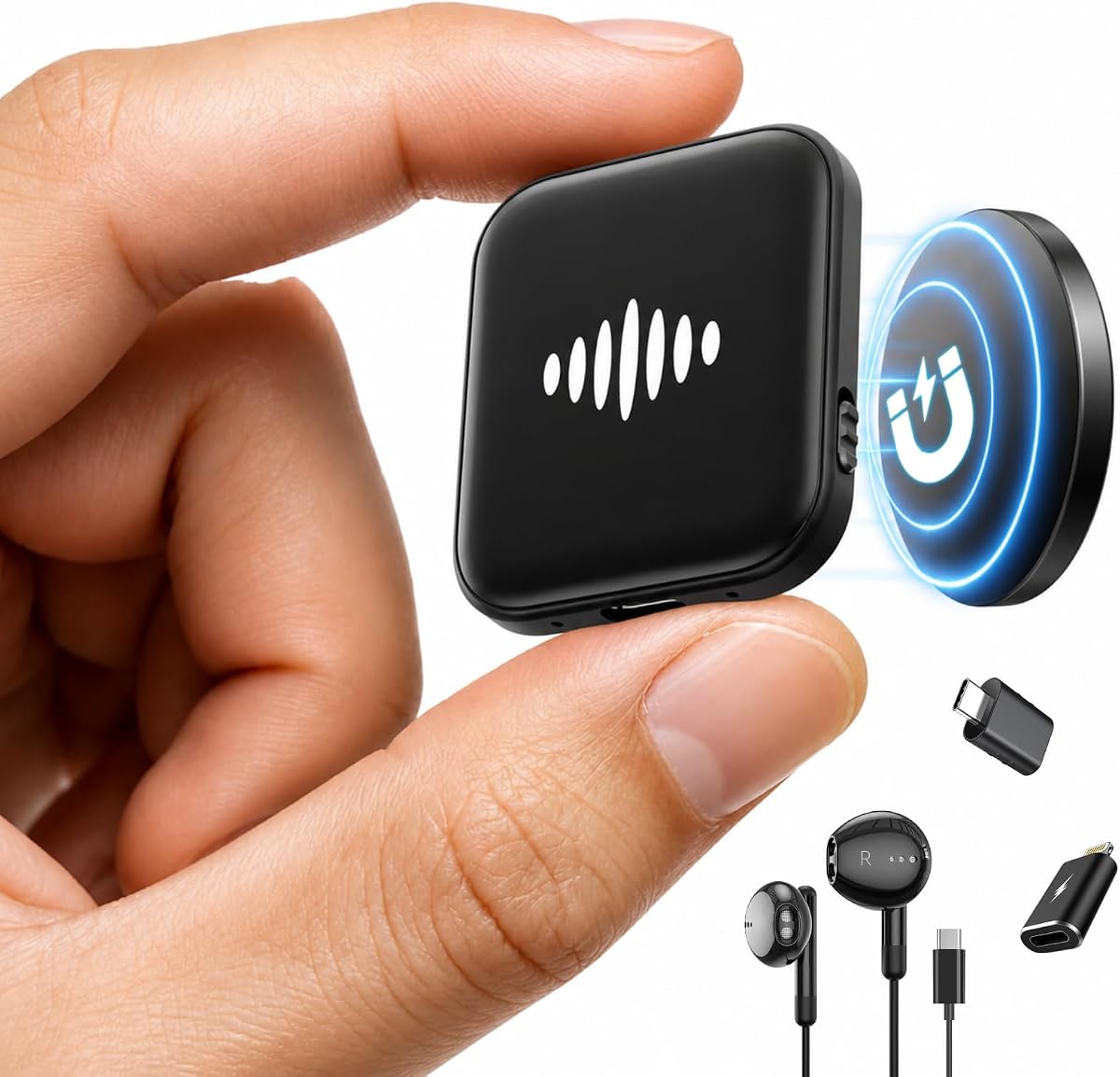
This recorder offers massive local storage for voice files. It uses AI noise reduction to ensure clarity during lectures or meetings. Files can be managed directly via USB-C connection to computers or phones easily.
We may earn a commission when you buy through this link, at no additional cost to you.
Voice activation starts recording only when sound is detected. This saves storage and battery while capturing relevant audio. Continuous recording can reach up to 70 hours with voice mode extending this significantly.
It lacks remote capabilities since it stores locally. Users must access it physically to retrieve recordings. This makes it a passive tool rather than a real-time monitor.
Best for note-taking or documentation needs. Choose this if local recording quality and storage are priorities. Consider cloud options if remote access is required for your use.
Built-in 132GB storage supports up to 9800 hours of audio files.
AI triple noise reduction ensures clearer vocals during noisy sessions.
We may earn a commission when you buy through this link, at no additional cost to you.
Selecting the right GSM audio listening device requires understanding several technical factors. This section outlines key considerations to help you match a device to your specific monitoring or audio needs.
Ensure the device supports local GSM or 4G networks. Quad-band options enable worldwide use but check carrier support in your region. VoLTE compatibility is essential for models requiring data plans.
Always verify network bands with your carrier before purchase.
Microphone type impacts sound clarity. MEMS digital microphones generally outperform standard analog ones. Look for multiple mics to ensure better voice capture in noisy environments.
Prioritize models with built-in noise reduction for clear output.
Battery performance determines how long you can leave a device active. Continuous recording consumes power faster than voice trigger mode. Look for options offering at least 20 hours of active use.
Consider rechargeable or external battery options for extended deployment.
Decide if you need local or cloud storage. Cloud recording allows remote access without direct connection but often requires data fees. Local storage keeps files offline but needs physical retrieval.
Choose cloud for remote access and local for privacy.
Setup complexity varies between devices. Some require SIM insertion and phone calls while others need app pairing. Simple plug-and-play models suit non-technical users better.
Look for auto-connect features to reduce setup time.
Internal mics have limited pickup range while external options extend this distance. For remote listening GSM range is global but audio pickup is local. Consider your environment's size.
Use external mics for large or multi-room spaces.
Always comply with local laws regarding audio recording. Unauthorized surveillance is illegal in most jurisdictions. Use devices responsibly and with consent where required by law.
Consult legal advice before deploying any monitoring device.
Prices vary widely from basic SIM bugs to professional systems. Basic models cost less but offer fewer features. Higher-priced options include cloud storage and better audio fidelity.
Balance your budget with the required feature set.
To begin setup insert a compatible SIM card into the designated slot. Ensure the card is activated with voice or data services. Power on the device and place it in the desired location discreetly.
Test functionality by calling the device number or connecting via app. Check audio clarity and adjust microphone placement if needed. For cloud models confirm server settings and notification preferences.
Maintain battery life by avoiding continuous recording when not needed. Clean microphones regularly to ensure optimal sound quality. Store in dry cool conditions to prevent hardware damage.
GSM devices use older networks for basic voice calls while 4G models support data for cloud uploads. 4G offers better reliability and remote file access. GSM is more widely compatible but lacks advanced features.
Legality depends on local laws and consent requirements. Recording conversations without permission is often illegal. Always consult legal professionals before deploying any listening devices.
Local recording stores files on the device needing physical access to retrieve. Cloud recording uploads files to a server for remote access. Choose cloud if you need remote alerts or file management.
Most devices require standard SIM cards with voice or data plans. Check network compatibility bands before inserting the card. Some models may need prepaid or dedicated IoT SIMs for full function.
Internal microphones typically reach about 10 meters in quiet environments. External microphones extend this distance by separating the sensor. Background noise significantly affects effective pickup range.
Basic GSM models only need cellular voice service for calls. 4G cloud models require data plans to upload files. Ensure your SIM plan matches the device's connectivity needs.
Place the microphone closer to the sound source. Use models with noise reduction features to filter background noise. Avoid placing near walls or metal objects that cause signal interference.
Voice trigger mode starts recording only when sound is detected. This saves battery and storage by skipping silent periods. It is useful for long-term monitoring where constant silence occurs.
We compared ten GSM audio listening devices covering a range of capabilities from simple bugs to professional systems. The N9 models offer basic entry-level solutions while the Z95G series provides advanced 4G features.
Prioritize network compatibility and audio quality based on your specific use case. Budget options work for occasional use but professional tools are better for long-term monitoring needs.
Always check current availability and pricing as these vary. Ensure you understand legal requirements before using any surveillance equipment. Choose the model that balances your technical needs with ethical considerations.